Five Conversations Every Facilities Manager Should Be Paying Attention To

FM Summit Aotearoa 2026 brought facilities professionals from across New Zealand together to explore this year’s theme, The Marks That Matter; the visible and invisible ways facilities managers shape the places, people and communities they support. The programme covered the full spectrum of facilities management, from operational challenges to the future of the profession. [fmsummit.org]

While every organisation faces its own unique challenges, several common themes emerged throughout the conversations, presentations and discussions.

Here are five conversations we believe facilities managers should continue paying attention to long after the Summit concludes.

1.Compliance Is Becoming a Risk Management Conversation

For many organisations, compliance has traditionally been viewed as a requirement to be met. Today, the conversation is changing.

Increasingly, boards, executives and stakeholders want confidence that risks are being actively identified, understood and managed. Compliance remains important, but it’s becoming part of a much broader discussion about accountability, governance and organisational resilience. Facilities managers are often at the centre of that conversation.

Whether managing building systems, contractor performance, environmental obligations or infrastructure assets, facilities teams play a critical role in reducing operational risk and demonstrating that assets are being managed responsibly.

The question is no longer simply: “Are we compliant?”

It’s becoming: “Can we demonstrate that we understand our risks and are managing them effectively?”

The organisations that can answer that question with confidence are likely to be in a stronger position when challenges arise.

2. Better Decisions Start With Better Data

Technology continues to transform facilities management.

Digital asset registers, condition assessments, remote monitoring, inspection tools and reporting platforms are giving facilities teams access to more information than ever before. Yet one message came through repeatedly during Summit discussions: data alone does not create value.

The real opportunity comes from using information to make better decisions.

Facilities managers are increasingly being asked to make informed choices about maintenance priorities, budget allocation, asset renewal programmes and operational risk. Reliable information creates confidence in those decisions.

Importantly, this applies to all asset classes, including those that often receive less attention.

Stormwater networks, for example, can be difficult to manage when their condition and performance are not well understood. Asset intelligence helps turn unknowns into actionable insights.

The goal isn’t more reports. The goal is better decisions.

3. Resilience Starts Long Before an Emergency

Resilience was one of the strongest themes to emerge from FM Summit 2026.

From extreme weather events to ageing infrastructure and evolving stakeholder expectations, facilities managers are operating in an environment where disruption can arise from multiple directions.

The most resilient organisations are not simply focused on responding to emergencies when they occur.

They are investing time and resources into preparation.

That includes:

  • Understanding critical assets
  • Identifying vulnerabilities
  • Maintaining infrastructure proactively
  • Planning for future challenges
  • Building organisational capability

Resilience is often viewed through the lens of emergency response.

However, the foundations of resilience are established long before an emergency takes place.

Every inspection completed, maintenance programme delivered and asset condition assessment undertaken contributes to an organisation’s ability to respond when unexpected events occur.

4. Stewardship Is Becoming a Defining Leadership Quality

The FM Summit theme, The Marks That Matter, highlighted a powerful idea. Facilities managers are more than operators. They are stewards.

The decisions made today influence the performance, safety and sustainability of buildings and infrastructure for years to come.

Stewardship requires long-term thinking.

It means looking beyond immediate maintenance tasks and considering the broader impact of decisions on:

  • Asset performance
  • Building occupants
  • Communities
  • The environment
  • Future generations

Some of the most important contributions facilities managers make are never seen by building users.

A prevented failure. A reduced risk. A protected waterway. A well-maintained asset that continues performing as intended.

These are the marks that matter.

They are often invisible, but their impact is significant.

5. Future Planning Is No Longer Optional

The pace of change facing facilities management continues to increase.

Buildings are becoming more complex. Technology continues to evolve. Environmental expectations are rising. Infrastructure is ageing. Stakeholders are demanding greater accountability. Against this backdrop, future planning is becoming one of the most important responsibilities of facilities managers.

The conversations we heard at Summit reflected a growing focus on questions such as:

  • What assets require investment?
  • Where are the highest risks?
  • Are current maintenance approaches sustainable?
  • What capabilities will facilities teams need in the future?
  • How can organisations balance immediate priorities with long-term goals?

Future planning is not about predicting every challenge ahead. It’s about putting organisations in a stronger position to respond to whatever comes next.

The facilities managers who are planning now are building resilience for the future.

The Common Thread

Although these conversations covered different areas of facilities management, they were connected by a common theme.

Care.

Whether discussing compliance, technology, resilience, stewardship or future planning, the underlying goal remains the same: creating safe, reliable and sustainable places for people to live, work and thrive.

That connection reflects the spirit of FM Summit 2026 and the theme of The Marks That Matter, which celebrates the visible and invisible ways facilities professionals shape New Zealand’s built environment.

At Dutton Stormwater, we see the same principle every day.

The infrastructure that protects buildings, supports operations and helps safeguard waterways is often hidden from view. Yet the role it plays is critical.

When facilities managers invest in understanding, maintaining and improving these assets, they’re doing more than managing infrastructure.

They’re leaving a mark that matters.

Contact us today to discuss your stormwater maintenance needs.

The Hidden Asset Beneath Your Feet: Why Stormwater Networks Deserve a Seat at the Asset Management Table

Most facilities managers know exactly what’s happening with their HVAC systems, lifts and fire protection equipment. But what about the stormwater network?

For many sites, the answer is simple: it only gets attention when there’s a problem.

A blocked catchpit. Ponding water in a car park. Localised flooding after heavy rain. A compliance issue. A complaint from a tenant.

The challenge is that by the time these issues become visible, they’ve often been developing underground for months or even years.

Stormwater infrastructure is one of the hardest-working systems on any property. It protects buildings, keeps people safe, supports day-to-day operations and helps prevent contaminants from reaching our waterways.

Yet it’s often overlooked when facilities managers are planning maintenance programmes and asset strategies.

The Network You Don’t See Still Matters

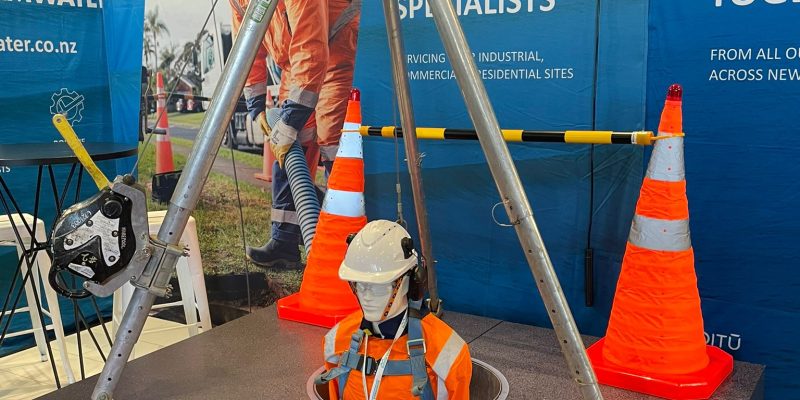
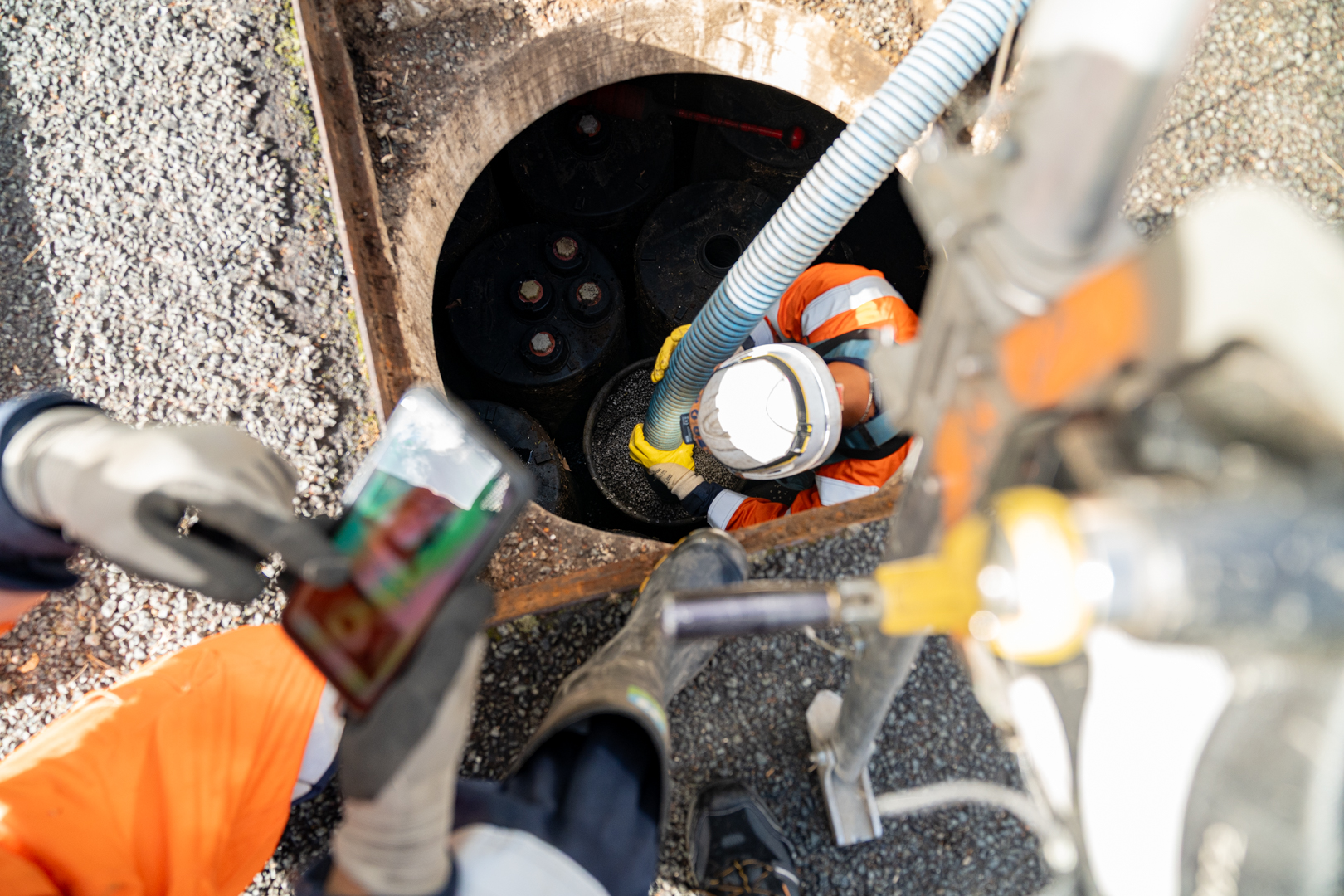
Confined space entry

Unlike roofing, lighting or building services, stormwater infrastructure spends its entire life out of sight. When everything is working properly, nobody notices it. That’s exactly how it should be.

Every time it rains, your stormwater network is moving water away from buildings, roads, loading zones, car parks and pedestrian areas. It’s protecting assets, reducing risk and helping your site operate as intended.

But stormwater networks age. Pipes crack. Tree roots enter the system. Sediment builds up. Connections fail. Catchpits become blocked.

Without regular inspection and maintenance, small issues can become expensive problems.

The cost is often measured in more than repairs. Facilities managers may also be dealing with operational disruption, health and safety risks, property damage and environmental impacts.

A Maintenance Cost or a Critical Asset?

Stormwater systems are often grouped into routine maintenance budgets. The risk with this approach is that maintenance becomes reactive. A problem appears. A contractor is called. The issue is fixed. Then everyone moves on.

A more effective approach is to manage stormwater infrastructure in the same way you would any other critical asset.

That means understanding:

  • The condition of the network
  • Areas that present the highest risk
  • Maintenance requirements
  • Potential compliance concerns
  • Upcoming renewal needs

Good decisions rely on good information.

Facilities managers don’t make replacement decisions on a lift or HVAC system without understanding its condition. Stormwater networks deserve the same level of attention.

Reliability Starts Underground

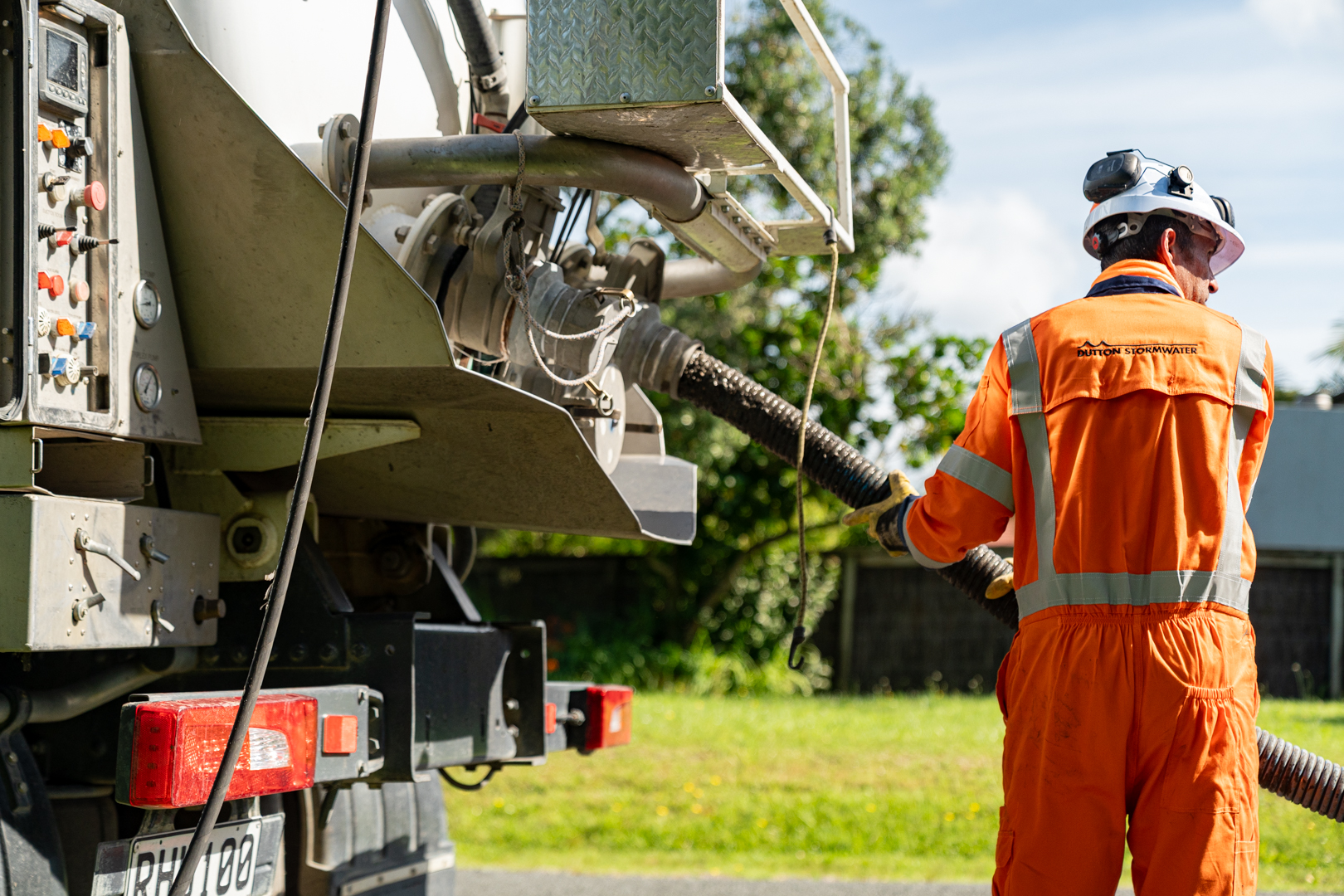
Dutton Stormwater vacuum truck

Facilities managers are responsible for creating places that are safe, reliable and fit for purpose and stormwater plays an important role in all three.

When drainage systems perform well, people can move safely around a site. Buildings remain protected from water ingress. Operations continue with minimal disruption.

When systems fail, the impacts can spread quickly. What starts as a blocked pipe can lead to flooding, damaged infrastructure, emergency maintenance costs and business interruption. Regular inspections and planned maintenance help identify issues before they become urgent. More importantly, they provide confidence that critical infrastructure will perform when it’s needed most.

Protecting More Than Property

Stormwater management isn’t only about protecting buildings and assets; it’s also about protecting the environment.

Facilities managers are increasingly under pressure to demonstrate responsible environmental management and meet compliance requirements. A poorly maintained stormwater network can allow sediment, litter and other contaminants to enter local waterways. That’s why proactive maintenance matters.

Every blocked catchpit cleared, every pipe inspected and every defect identified contributes to better environmental outcomes. Looking after stormwater infrastructure is one of the many ways facilities managers help protect the places and communities around them.

The Marks That Matter

We’re attending the FM Summit this month to meet with Facilities Managers from across NZ. The theme of FM Summit 2026 is The Marks That Matter. The summit highlights the visible and invisible ways facilities professionals care for buildings, people and places, recognising that long-term resilience comes from stewardship and ongoing care. [fmsummit.org], [fmanz.org]

Stormwater networks are a perfect example. Most people will never see the work that goes into maintaining them. They’ll never know when a blockage was cleared before it caused flooding. They’ll never see the inspection that identified a defect before it became a failure. They’ll never notice the maintenance programme that helped protect a nearby waterway.

But those actions matter.

They leave a mark through safer sites, more reliable operations and healthier waterways. And that’s often the best outcome of all. The work gets done, the problem never happens, and everyone can get on with their day.

Looking Beyond the Surface

Great facilities management is about more than managing what people can see. It’s about understanding the systems that quietly support buildings, operations and communities every day.

Stormwater infrastructure is one of those systems.

When facilities managers give stormwater a place in their asset planning and maintenance strategies, they’re not just reducing risk. They’re improving reliability, protecting property, supporting compliance and helping safeguard New Zealand’s waterways for the future.

That’s an investment worth making.

About Dutton Stormwater

Dutton Stormwater helps facilities managers, property owners and asset managers gain greater visibility of their stormwater infrastructure through inspection, maintenance and condition assessment programmes that support risk reduction, resilience and long-term asset performance. Contact us today to discuss your stormwater maintenance needs.
Meet our Operations Planning Team

Over the years you have quite likely become accustomed to the courtesy e-mails and phone calls you receive from our phenomenal operations planning team. These five people are responsible for planning all the work, responding to emergency call outs, and letting customers know when we will be on site. These five people have the character traits of tenacity, mental dexterity, and patience. For you as customers, I would like to introduce them to you so you can put a face to the voice.

Nada Bashori

Nada has been with us for over four years and knows our business well. She is kind and patient. Nada moved here from Iraq and is the most dynamic and glamorous grandmother I know.

Lucie Carpenter

Lucie is in her second year with us and has recently completed our Leadership Programme – JOLT – under the direction of Wade Jackson. Lucie hails from Czechoslovakia and looks after her two beautiful children when she is not working.

William Clarke

When our planning team needed another planner, we advertised internally. We were lucky enough to have one of our Team Leaders apply for the role. William has become an asset to this team because of his site knowledge and his rapport with the field crew.

Cat Woollams

Cat was voted our Peoples Choice Employee of the year last year. She is passionate about getting work done. Her planning is meticulous and careful, and her customer service is unparalleled.

Michelle Buckingham

Michelle, otherwise known as Molly, leads this team of wonderful individuals. She has been in the business for over six years, and she has weaved her way through accounts, sales and now she leads the operations team with accuracy and passion.


These five people make sure work is planned for the customers and the team in the field. We thank them for their efforts. May I ask all our customers to be patient with these people as they aim to satisfy your requirements, while working at the mercy of the substantial weather events we have experienced in 2023.

Kiwi Property Group awarded a Stormwater Responsible Badge

Dutton Stormwater were very pleased to award Kiwi Property Group at Sylvia Park with a Stormwater Responsible Badge.

It gives us great pleasure to be able to recognise the commitment it takes from companies such as Kiwi Property Group to maintain their devices on a regular basis. The peace of mind that comes with knowing that when winter comes we have done everything we can to help these systems run smoothly is priceless.

Tracy and Grant presented this beautiful pauwa inlaid award to Karlene Haddock the Facilities Manager and Stuart Tomlinson, the Facilities Lead, at their last meeting – with the digital logo to be utilised by their Marketing team.

Christchurch Stormwater Maintenance

Dutton Stormwater Maintenance’s Christchurch HQ is at 20 Raymond Ave, in Bromley. We are so proud to be working in the beautiful Garden City, and have a fantastic crew based in Christchurch, along with our 10 tonne capacity vacuum truck truck, ‘David’.

A Stormwater Maintenance Company in Christchurch 

The opening of our new Stormwater Servicing Company branch in Christchurch was the culmination of big dreams, months of planning, and some serious mahi. Our team have been busy getting stuck into work, as well as finding some time to get acquainted with the local area, beautiful scenery, and fantastic people.

The team started off by servicing some of our amazing new customers’ sites, such as RD Petroleum and Fire and Emergency and we are very excited to see what the future has in store.

Our experienced Field Operations Supervisor, Marlon Quiban, heads up the branch and the Stormwater Maintenance operations.

Marlon said, “I have loved the move down to Christchurch, everyone has been so welcoming, and I am excited to make Christchurch my home”.

  • Lyndon will be operating our truck and learning the world of Stormwater Maintenance.
  • Isaac is an engineering student who we are supporting in Christchurch with a few days’ work per week.
  • We have one of our experienced drivers doing two-week stints in Christchurch to cover demand.

We feel privileged to be able to take this bold step to providing stormwater services in Christchurch – and are eager to help keep more of New Zealand’s beautiful waterways clean.

Sleeping Bear

We’re excited to formally introduce our newest truck – Sleeping Bear. Why Sleeping Bear? The blower is manufactured in Traverse City, Michigan by a company called NVE (National Vacuum Equipment). Traverse City is famous for Sleeping Bear Cove. This truck will sleep and when it starts to suck it eats silt and debris – like a bear in a honeypot!

The Big Five benefits that this truck delivers to our customers are:

  1. Powerful suction – Sleeping Bear sucks at 940 CFM (Cubic Foot per Minute) or 26 618 Litres per minute.
  2. We can waterblast and vacuum at the same time which keeps our customer’s sites cleaner.
  3. The side-suction makes access convenient for trickier sites, as you can see in the picture of Rupinder vacuuming a cess pit at Bunnings in Wellington.
  4. Quick and easy Pump maintenance
  5. 10000L Capacity means fewer disposal trips.

Thank you to the crew at Waimea for doing such a fantastic job delivering this truck for us.

Rain garden maintenance

Over the 15 years of being in Stormwater Maintenance, we have noticed a shift in stormwater treatment options. When our business began, stormwater treatment consisted of Sand filter, Upflo filter and StormFilters™. These devices are fantastic, and we love maintaining them.

However many businesses have shifted towards an even greener option and in the last 5 years we have seen the installation of many Raingardens and Filterra® treating stormwater runoff. As stormwater specialists we absolutely do service Raingardens and Filterra® installations.

Please don’t hesitate to contact Grant, our Business Development Manager, to get your raingarden on a regular maintenance programme which will ensure its continuing effectiveness.


Light at the end of the… tunnels! Removing 117.6T of waste

Dutton Stormwater is not afraid of tackling challenging jobs and from April through to June 2021, we embarked on a massive one, by cleaning the three soakage tunnels running under central Auckland.

The task to clean 265m of underground tunnels was extremely demanding – not only physically, but logistically, and health & safety wise. Each day the crew had to dig, shovel and vacuum sediment, that in some areas was up to 1.5m deep, leaving them little more than crawling space to move.

  1. MELVILLE TUNNEL
    • 62m
    • 270 hours,
    • 18,400kgs waste removed
  1. KING GEORGE TUNNEL
    • 171m
    • 758.5 hours,
    • 84,500kgs waste removed
  1. GILLIES TUNNEL
    • 32m
    • 48 hours,
    • 14,720 kgs  of waste removed

In total the job took more than 1076.5 hours to complete and a whopping 117.62 tonnes of sediment was removed.

Total amount of stormwater waste that we removed and was kept out of the ocean from Jan 2021 to November 2021 was 1455 tonnes – equal to approximately 50 humpback whales.

It’s official – The Stormwater Responsible Badge is here

To acknowledge and publicly recognise the commitment of our customers to Responsible Stormwater Management, and to raise awareness of the importance of stormwater system maintenance, we have created the Stormwater Responsible badge.

This badge will be awarded to customers who demonstrate responsible stormwater practices by regularly maintaining their stormwater systems. Companies can then use this to show their own customers and the community they are doing their part to minimise contamination of our waterways.

To qualify, customers of Dutton Stormwater must have performed regular stormwater maintenance on their existing devices for at least two years, and/or have committed to two year’s scheduled maintenance on all stormwater devices going forward.

To discuss further, or if you already qualify and would like to be awarded the badge, please email andrea@duttonstormwater.co.nz.

St Mary’s Primary School presentation

As part of our initiative to educate our community and increase awareness of how important stormwater maintenance is to preserving clean waterways, the Dutton Stormwater team visited St Marys Primary School.

Around 50 children got to hear our Director Ed Dutton explain what our role is in helping protect the waterways and environment around New Zealand, then our crew demonstrated a Cess Pit service with the Vacuum Truck.

It’s always refreshing speaking with children and watching curious minds at work. It was great to see how quickly the students grasped why it is important not to drop rocks or rubbish in a Cess Pit. We found the trip very worthwhile, with our time well invested in these future custodians of Auckland.

Ed is looking forward to visiting more customer schools this winter and meeting more young people with a desire to look after our planet.