Five Conversations Every Facilities Manager Should Be Paying Attention To

FM Summit Aotearoa 2026 brought facilities professionals from across New Zealand together to explore this year’s theme, The Marks That Matter; the visible and invisible ways facilities managers shape the places, people and communities they support. The programme covered the full spectrum of facilities management, from operational challenges to the future of the profession. [fmsummit.org]

While every organisation faces its own unique challenges, several common themes emerged throughout the conversations, presentations and discussions.

Here are five conversations we believe facilities managers should continue paying attention to long after the Summit concludes.

1.Compliance Is Becoming a Risk Management Conversation

For many organisations, compliance has traditionally been viewed as a requirement to be met. Today, the conversation is changing.

Increasingly, boards, executives and stakeholders want confidence that risks are being actively identified, understood and managed. Compliance remains important, but it’s becoming part of a much broader discussion about accountability, governance and organisational resilience. Facilities managers are often at the centre of that conversation.

Whether managing building systems, contractor performance, environmental obligations or infrastructure assets, facilities teams play a critical role in reducing operational risk and demonstrating that assets are being managed responsibly.

The question is no longer simply: “Are we compliant?”

It’s becoming: “Can we demonstrate that we understand our risks and are managing them effectively?”

The organisations that can answer that question with confidence are likely to be in a stronger position when challenges arise.

2. Better Decisions Start With Better Data

Technology continues to transform facilities management.

Digital asset registers, condition assessments, remote monitoring, inspection tools and reporting platforms are giving facilities teams access to more information than ever before. Yet one message came through repeatedly during Summit discussions: data alone does not create value.

The real opportunity comes from using information to make better decisions.

Facilities managers are increasingly being asked to make informed choices about maintenance priorities, budget allocation, asset renewal programmes and operational risk. Reliable information creates confidence in those decisions.

Importantly, this applies to all asset classes, including those that often receive less attention.

Stormwater networks, for example, can be difficult to manage when their condition and performance are not well understood. Asset intelligence helps turn unknowns into actionable insights.

The goal isn’t more reports. The goal is better decisions.

3. Resilience Starts Long Before an Emergency

Resilience was one of the strongest themes to emerge from FM Summit 2026.

From extreme weather events to ageing infrastructure and evolving stakeholder expectations, facilities managers are operating in an environment where disruption can arise from multiple directions.

The most resilient organisations are not simply focused on responding to emergencies when they occur.

They are investing time and resources into preparation.

That includes:

  • Understanding critical assets
  • Identifying vulnerabilities
  • Maintaining infrastructure proactively
  • Planning for future challenges
  • Building organisational capability

Resilience is often viewed through the lens of emergency response.

However, the foundations of resilience are established long before an emergency takes place.

Every inspection completed, maintenance programme delivered and asset condition assessment undertaken contributes to an organisation’s ability to respond when unexpected events occur.

4. Stewardship Is Becoming a Defining Leadership Quality

The FM Summit theme, The Marks That Matter, highlighted a powerful idea. Facilities managers are more than operators. They are stewards.

The decisions made today influence the performance, safety and sustainability of buildings and infrastructure for years to come.

Stewardship requires long-term thinking.

It means looking beyond immediate maintenance tasks and considering the broader impact of decisions on:

  • Asset performance
  • Building occupants
  • Communities
  • The environment
  • Future generations

Some of the most important contributions facilities managers make are never seen by building users.

A prevented failure. A reduced risk. A protected waterway. A well-maintained asset that continues performing as intended.

These are the marks that matter.

They are often invisible, but their impact is significant.

5. Future Planning Is No Longer Optional

The pace of change facing facilities management continues to increase.

Buildings are becoming more complex. Technology continues to evolve. Environmental expectations are rising. Infrastructure is ageing. Stakeholders are demanding greater accountability. Against this backdrop, future planning is becoming one of the most important responsibilities of facilities managers.

The conversations we heard at Summit reflected a growing focus on questions such as:

  • What assets require investment?
  • Where are the highest risks?
  • Are current maintenance approaches sustainable?
  • What capabilities will facilities teams need in the future?
  • How can organisations balance immediate priorities with long-term goals?

Future planning is not about predicting every challenge ahead. It’s about putting organisations in a stronger position to respond to whatever comes next.

The facilities managers who are planning now are building resilience for the future.

The Common Thread

Although these conversations covered different areas of facilities management, they were connected by a common theme.

Care.

Whether discussing compliance, technology, resilience, stewardship or future planning, the underlying goal remains the same: creating safe, reliable and sustainable places for people to live, work and thrive.

That connection reflects the spirit of FM Summit 2026 and the theme of The Marks That Matter, which celebrates the visible and invisible ways facilities professionals shape New Zealand’s built environment.

At Dutton Stormwater, we see the same principle every day.

The infrastructure that protects buildings, supports operations and helps safeguard waterways is often hidden from view. Yet the role it plays is critical.

When facilities managers invest in understanding, maintaining and improving these assets, they’re doing more than managing infrastructure.

They’re leaving a mark that matters.

Contact us today to discuss your stormwater maintenance needs.
The Hidden Asset Beneath Your Feet: Why Stormwater Networks Deserve a Seat at the Asset Management Table

Most facilities managers know exactly what’s happening with their HVAC systems, lifts and fire protection equipment. But what about the stormwater network?

For many sites, the answer is simple: it only gets attention when there’s a problem.

A blocked catchpit. Ponding water in a car park. Localised flooding after heavy rain. A compliance issue. A complaint from a tenant.

The challenge is that by the time these issues become visible, they’ve often been developing underground for months or even years.

Stormwater infrastructure is one of the hardest-working systems on any property. It protects buildings, keeps people safe, supports day-to-day operations and helps prevent contaminants from reaching our waterways.

Yet it’s often overlooked when facilities managers are planning maintenance programmes and asset strategies.

The Network You Don’t See Still Matters

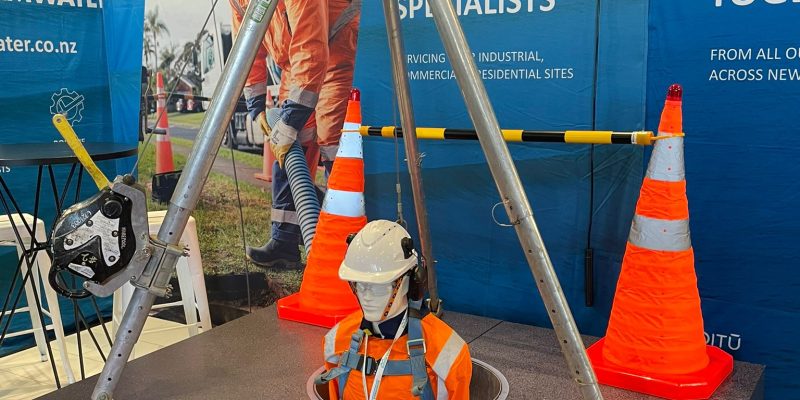
Confined space entry

Unlike roofing, lighting or building services, stormwater infrastructure spends its entire life out of sight. When everything is working properly, nobody notices it. That’s exactly how it should be.

Every time it rains, your stormwater network is moving water away from buildings, roads, loading zones, car parks and pedestrian areas. It’s protecting assets, reducing risk and helping your site operate as intended.

But stormwater networks age. Pipes crack. Tree roots enter the system. Sediment builds up. Connections fail. Catchpits become blocked.

Without regular inspection and maintenance, small issues can become expensive problems.

The cost is often measured in more than repairs. Facilities managers may also be dealing with operational disruption, health and safety risks, property damage and environmental impacts.

A Maintenance Cost or a Critical Asset?

Stormwater systems are often grouped into routine maintenance budgets. The risk with this approach is that maintenance becomes reactive. A problem appears. A contractor is called. The issue is fixed. Then everyone moves on.

A more effective approach is to manage stormwater infrastructure in the same way you would any other critical asset.

That means understanding:

  • The condition of the network
  • Areas that present the highest risk
  • Maintenance requirements
  • Potential compliance concerns
  • Upcoming renewal needs

Good decisions rely on good information.

Facilities managers don’t make replacement decisions on a lift or HVAC system without understanding its condition. Stormwater networks deserve the same level of attention.

Reliability Starts Underground

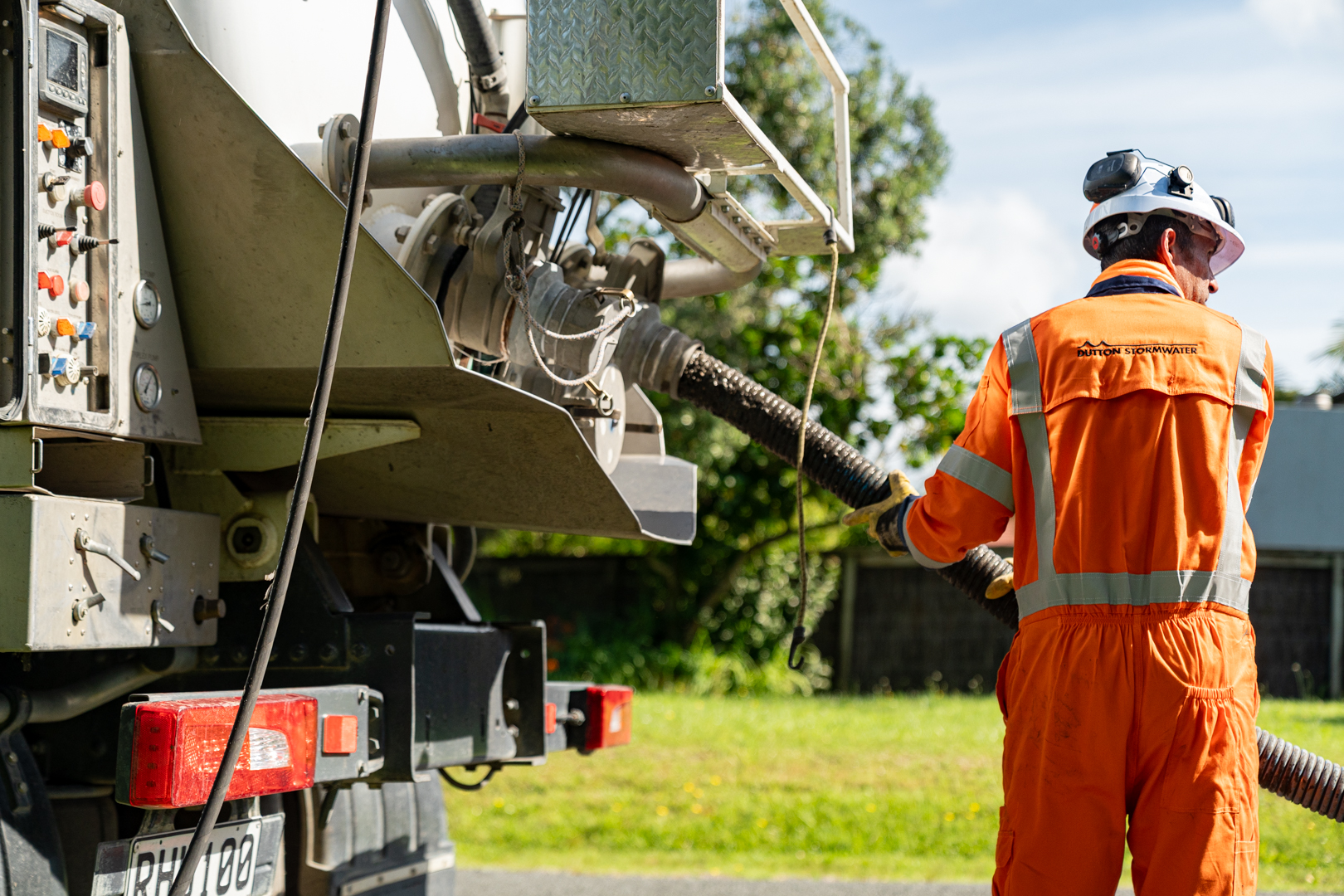
Dutton Stormwater vacuum truck

Facilities managers are responsible for creating places that are safe, reliable and fit for purpose and stormwater plays an important role in all three.

When drainage systems perform well, people can move safely around a site. Buildings remain protected from water ingress. Operations continue with minimal disruption.

When systems fail, the impacts can spread quickly. What starts as a blocked pipe can lead to flooding, damaged infrastructure, emergency maintenance costs and business interruption. Regular inspections and planned maintenance help identify issues before they become urgent. More importantly, they provide confidence that critical infrastructure will perform when it’s needed most.

Protecting More Than Property

Stormwater management isn’t only about protecting buildings and assets; it’s also about protecting the environment.

Facilities managers are increasingly under pressure to demonstrate responsible environmental management and meet compliance requirements. A poorly maintained stormwater network can allow sediment, litter and other contaminants to enter local waterways. That’s why proactive maintenance matters.

Every blocked catchpit cleared, every pipe inspected and every defect identified contributes to better environmental outcomes. Looking after stormwater infrastructure is one of the many ways facilities managers help protect the places and communities around them.

The Marks That Matter

We’re attending the FM Summit this month to meet with Facilities Managers from across NZ. The theme of FM Summit 2026 is The Marks That Matter. The summit highlights the visible and invisible ways facilities professionals care for buildings, people and places, recognising that long-term resilience comes from stewardship and ongoing care. [fmsummit.org], [fmanz.org]

Stormwater networks are a perfect example. Most people will never see the work that goes into maintaining them. They’ll never know when a blockage was cleared before it caused flooding. They’ll never see the inspection that identified a defect before it became a failure. They’ll never notice the maintenance programme that helped protect a nearby waterway.

But those actions matter.

They leave a mark through safer sites, more reliable operations and healthier waterways. And that’s often the best outcome of all. The work gets done, the problem never happens, and everyone can get on with their day.

Looking Beyond the Surface

Great facilities management is about more than managing what people can see. It’s about understanding the systems that quietly support buildings, operations and communities every day.

Stormwater infrastructure is one of those systems.

When facilities managers give stormwater a place in their asset planning and maintenance strategies, they’re not just reducing risk. They’re improving reliability, protecting property, supporting compliance and helping safeguard New Zealand’s waterways for the future.

That’s an investment worth making.

About Dutton Stormwater

Dutton Stormwater helps facilities managers, property owners and asset managers gain greater visibility of their stormwater infrastructure through inspection, maintenance and condition assessment programmes that support risk reduction, resilience and long-term asset performance. Contact us today to discuss your stormwater maintenance needs.

Family First: The Cornerstone of Our Company

Sixteen years ago, a simple coffee at Sylvia Park with Warren Chan marked the beginning of a journey that would shape our company’s culture forever. Warren became my first worker, and together we tackled jobs with a contracted truck, soon realizing that we needed more hands. That’s when Warren introduced his nephew Sonny, and before long, the Chan’s became a cornerstone of our team. Over the years, the Chan family’s involvement grew and evolved, with new generations stepping in and others moving on to new adventures.


Our story is filled with similar threads—families joining, growing, and thriving together. From the Wihongis and Buckinghams to the Hills, Dunphys, Roskilleys, Storys, Clarks, Misériauxs, Quibans, Hamidis and Tongas, each family has brought their unique strengths, values, and energy to our business. Whether it’s recruiting at netball barbecues, welcoming siblings and cousins, or seeing three generations working side by side, our company has become a true family affair.

We’ve found that when someone vouches for a family member, recruitment becomes more than just filling a role. It provides a foundation of trust, loyalty, and shared purpose. Our team is built on these connections, and it shows in the way we work together, support each other, and celebrate our successes.

Stains has been a part of our company for over eight years now and we have Morgan his son helping Piet run the Beast and maintain our yard.

Netball was always a big part of our lives in Northcote, and it has proved a rich pasture for us to find recruits. We hijacked the mum’s netball BBQs, converting them into networking events where we screened candidates and carried out interviews. Tracy soon come on board. The followed her daughters, first Alexis, and then Brooke, who works for us today.


Tracy managed to convince Michelle to ditch her airport commute and join us. This has led to Grant (husband) and Emma (daughter) coming on board, and finally Papa Ken (father-in-law) to complete the Buckingham contingent.

Somehow word got to Claire that we needed someone special, and she turned up for an interview. I had only met Claire on the indoor netball court, but it was enough to know she would boost our business. Claire has introduced Kiera (daughter) and Oliver (nephew) to our company, and we are grateful to have them on board.


Being married into the Dunphy family has meant there is a lot of people to choose from. We have had Ruth, Marienne, Alice, Guy and hopefully more will come through the gates.

Yannick (bother-in-law) was having a cup of tea with Kate one morning and then found himself on a company motorbike coming to work. I was never sure how Matt (Yannick’s son) would get to work for two reasons. He did not have his licence, and he is very well known for sleeping in. When I suggested to his old man he come and work for us, he made found a way and now he is a regular during his university breaks

We had Jerry working for us and he suggested I interview his cousin – William. I met him at The Po and asked him what his spirit animal would be. What could I do when he said Jack Russell? I had Rufus at that time, so William was in. Last month, Sam (William’s son) has just donned our overalls his Dad’s aptitude is already on display. Epic.


Netball truly is the gift that keeps on giving. Imagine my surprise when my wife asked Mark Roskilley if he wanted to come and work for me and he was agreeable. We had a meeting, at the pub of course. His wife came too (not to supervise him, as she says), and the rest was history. He may not have been quite ready to take Old Girl out on the streets from Okura, but he did it and he hasn’t stopped. One day while Mark and I were walking a hose through the King George tunnel I asked him what his son, Jackson was going to do after school. Neither Jacko nor Mark knew, but after some convincing we managed to get Jacko over and here he is.

One business-as-usual afternoon this large Tongan man walked into our office looking for a job. His name was Saimone, and he has not stopped working since he joined us. His loyalty is without question and when he asked if his son, Phoenix could come and work here I had no hesitation.


We have three Quiban boys with the best names – Marlon, Lyndon, and Ricardo. When you meet Marlon, you must meet him again. He is just so cool and relaxed. I loved having him over from the Philippines and when he mentioned his two brothers were eager to come and join us, I put Tracy on a plane to Manila. Tracy quickly sorted the paperwork, and here they are.

One dusty afternoon in our old yard in Okura a gentleman walked over to me and asked if he could have a job. I asked him to load a van full of cartridges and take them to SW360 and bring back 20 full ones. I thought there was something quite special about this man. He returned an hour later with the full carts, and I knew he had a place in our company. Meeting Leila was a special moment as she mesmerised us all with her eyes. We have seen Masoud work hard for many years and now he is back with us. When he suggested his brother-in-law to come and work for us I had no hesitation to do what we had to, to get him. Now We have Said and Masoud who have boosted our business to no end. Thank you to them for joining forces and making this place better for the future.


Our last endeavour to prove family and business can work together has been getting Shamie (Amy’s husband) to come in and run our Greenspace division. Amy and Shamie are a dream team of honesty and loyalty, and we are so pleased to have them back.

The Dutton Stormwater family-first approach has materialised with intent. Although it’s feel good, it isn’t just a story. Nor did it happen by chance. When people bring their loved ones into the fold, it fosters a culture of trust and accountability. Our recruitment is easier and more reliable because every new hire comes with a personal recommendation. Families working together bring with them unity, loyalty, and a sense of belonging that’s hard to replicate.

It also means our values (flexibility, ownership, unity, and respect) are lived every day, not just talked about. Our team’s deep connections power us to weather storms, celebrate wins, and keep our mission at the heart of everything we do. As we look to the future, we’re excited to welcome even more families into our business, building a legacy that’s as strong as it is caring.


When I stand in a WIFLE (What I feel Like Expressing) circle with my three girls included, I know we are more than just a business. This sense of belonging means enough to our people that they invite their loved ones to join us. We love welcoming new family members and seeing households grow with our company.

Thank you for being part of our journey. Here’s to another year of growth, connection, and family.

Facilities Management Conference – Te Pae – Christchurch

On the 20-21 September Dutton Stormwater attended and exhibited at the FM Summit Aotearoa held at the Te Pae Convention Centre in Otauthai, Christchurch hosted by FMANZ (Facilities management Association of New Zealand).  This was our first time attending a Facilities Management Summit, so we went in with eyes wide open.  The combination of being in the beautiful city of Otautahi Christchurch, the stunning venue of Te Pae right next to the Avon and brought together by the team at FMANZ made for a special couple of days.

For us this was a great opportunity to catch up with many existing customers from the facilities management space, make introductions with potential new Customers and Industry partners.  Whilst the presentations were to a high standard my main takeaway from the event was the obtaining a greater understanding and appreciation for the wide variety of work that goes in by all in the facilities space to ensure the upkeep and progression of the built environment around us.

The winning wheel made an appearance on the last day and as you can expect when cash is being given away the crowd drew closer to see if it was their business card being drawn out of the hat.  Three lucky and very grateful attendees drew their name and walked away with a little extra spending money.

It was also a pleasure to be present at the award’s gala dinner where individuals, teams and companies were acknowledged.

There is no doubt we will be back again for the 2024 FM summit being held in Auckland.

From the Directors Desk November 23

I’m constantly reminded how lucky we are to have built the amazing team that make up Dutton Stormwater. Great equipment and smart systems can make a business more agile and effective but the people bring the heart to any company.

Appreciation for Foxy and Ben

I treasure the people in our business. I also treasure our bespoke operating system, FOXY. We called it Foxy because it is smart, determined, limitless and fast. It is another asset that sets our company apart from the rest. With humility, Foxy is an operating system I am so proud of. It will ultimately manage our whole business.

To that end, Tracy has taken on Ben McGirr as our full-time developer. Ben is professional and approachable (when his 11-week-old son Charlie gives him some sleep), and I look forward to working with Ben to make Foxy the most beautiful platform in the world.

Congratulations to our new Drivers

We are extremely proud of three men who have taken the time to develop themselves into drivers. Congratulations to Sonny Chan, Peter Rhind, and Lyndon Quiban. Having a versatile crew that can double as technicians and truck drivers is another factor which gives our company extra adaptability. Well done to these three gentlemen, we look forward to seeing you behind the wheel of a Dutton Stormwater truck.

Our awesome accounts team

Our business is blessed to have two committed individuals who manage our finances. From the outset of Dutton Stormwater, I have held true to the mantra of treating people as you wish to be treated. We pay our bills on the 20th of the month or when they are due. We believe this is why our customers do the same for us. It is not always easy. I often receive a text late in the evening of the 20th from young Amy saying all the bills are paid, and that’s a great feeling. Amy has had Evie join her full time this year and there is a happy hum of efficiency that permeates the accounts department – until the last day of the month and ‘claim day’! I wanted to personally acknowledge the effort these two put in for our company and thank them for keeping our business’s finances organised and efficient.

South Auckland Branch opens for Spring

It is starting to feel like Spring at the Dutton Stormwater yards.  So many new faces, a flurry of activity and the warmth of the sun is certainly energising every one of us.

We have opened our third branch – South Auckland

Our new branch is in Pukekohe, this South Auckland location allows us to react to urgent call outs in that region and enables us to serve our customers more efficiently. It’s great for the environment too, as less travel time means less emissions, which supports our TOITU Certification.

Rupinder will head up our crew in Pukekohe, initially backed by Manni – and we have plans to add crew to this branch in October.

A growing team of 40+ staff

You may have noticed a lot of new Dutton Stormwater faces on our staff page! Our talented new additions bring passion and enthusiasm to our company and we look forward to them growing as people with us.

Meet Kath & Kim

In addition to new faces, we have also brought on two new trucks to Dutton Stormwater. These two trucks turned up from Australia and are called ‘KATH’ and ‘KIM’. The twins have hit the ground running. We look forward to Kath and Kim servicing your site soon. That’s Kim with Ed and Ken up the top of this article.

FM Summit Exhibition

We exhibited at the FM Summit at the Te Pae Convention Centre.

Stormwater Responsible Badge for The Church of Jesus Christ Latter Day Saints

We love to show our appreciation for the wonderful work our customers do to help keeping our waterways clean and safe. To show our appreciation we have developed a matrix with certain criteria which allows you to be eligible for the Stormwater Responsible Badge.

In July we had the pleasure of awarding our 6th Stormwater Responsible badge. Maverick, Lizanne and Salevana from The Church of Jesus Christ of Latter-day Saints came to our office and were presented with the paua engraved award.

This valued customer has been with Dutton Stormwater from 2018 and since covid lockdowns have expanded their maintenance contracts with us. We really applaud them for their proactive approach to their stormwater maintenance.

Meet our Operations Planning Team

Over the years you have quite likely become accustomed to the courtesy e-mails and phone calls you receive from our phenomenal operations planning team. These five people are responsible for planning all the work, responding to emergency call outs, and letting customers know when we will be on site. These five people have the character traits of tenacity, mental dexterity, and patience. For you as customers, I would like to introduce them to you so you can put a face to the voice.

Nada Bashori

Nada has been with us for over four years and knows our business well. She is kind and patient. Nada moved here from Iraq and is the most dynamic and glamorous grandmother I know.

Lucie Carpenter

Lucie is in her second year with us and has recently completed our Leadership Programme – JOLT – under the direction of Wade Jackson. Lucie hails from Czechoslovakia and looks after her two beautiful children when she is not working.

William Clarke

When our planning team needed another planner, we advertised internally. We were lucky enough to have one of our Team Leaders apply for the role. William has become an asset to this team because of his site knowledge and his rapport with the field crew.

Cat Woollams

Cat was voted our Peoples Choice Employee of the year last year. She is passionate about getting work done. Her planning is meticulous and careful, and her customer service is unparalleled.

Michelle Buckingham

Michelle, otherwise known as Molly, leads this team of wonderful individuals. She has been in the business for over six years, and she has weaved her way through accounts, sales and now she leads the operations team with accuracy and passion.


These five people make sure work is planned for the customers and the team in the field. We thank them for their efforts. May I ask all our customers to be patient with these people as they aim to satisfy your requirements, while working at the mercy of the substantial weather events we have experienced in 2023.

Stormwater Conference 2023

As a Partner of the Water New Zealand Stormwater Conference we were pleased that all of the office staff and many of our crew were able to attend the fantastic keynote presentations, lectures and workshops that were available this year in Tamaki Makaurau Auckland.

This was the largest Stormwater Conference to date with almost 600 attendees meeting for two and a half days, it was a fantastic opportunity to network with other stormwater professionals and gain a wealth of knowledge from National and International speakers.

Our booth in the Trade area was kitted out with a 1/10th to scale replica of one of our trucks, in a display showing how we clean out a catchpit.

2023 also saw the return of our winning wheel, a chance to spin for cash if you place your business card in the bowl. Te Radar, the master of ceremonies, came to assist us when the cards were drawn and three lucky winners were picked. Francesco, a young engineering student from WSP won $50 and Lane Irwin from 12D struck gold and took away the maximum prize of $400 by spinning 8 on the wheel.

We all loved every minute of amazing hospitality which culminated in the Stantec Conference Dinner on the Wednesday evening, well deserved awards including the Young Stormwater Professional of the Year and Stormwater paper of the Year. The Dutton team made the most of the delicious dinner and a great band.

We very much look forward to seeing what next Years Conference brings.

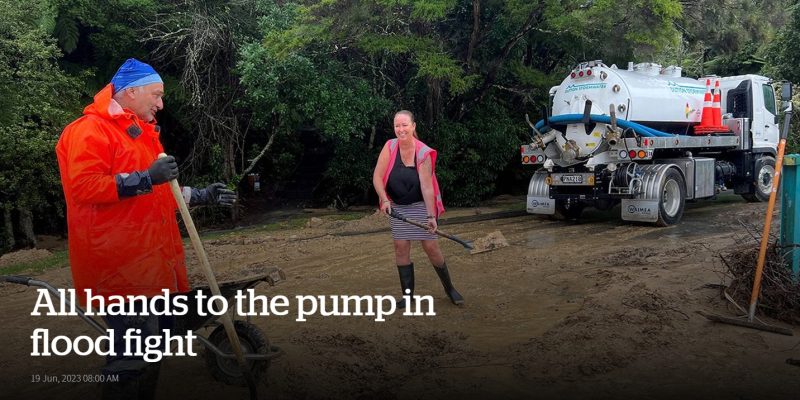
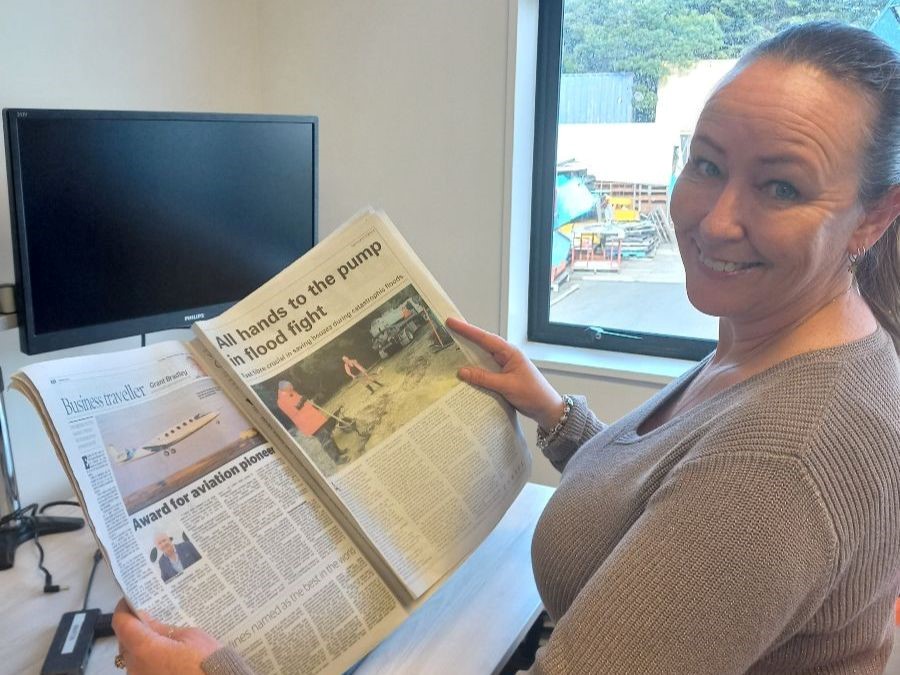
All hands to the pump in flood fight

Originally published in The NZ Herald.

As Auckland was being battered yet again by rain, a group of office workers went beyond the call of duty to help people whose homes and properties were being threatened by rising flood waters.

Tracy Hill and some in her team at the Auckland-based stormwater maintenance company, Dutton Stormwater, left their desks, donned gumboots and rain jackets and headed into the storm to join forces with their mobile service crews.

“We were inundated with calls, more than we could respond to,” says Hill, the company’s general manager. “At the peak we attended more than 58 call-outs; our operations manager, myself and some of our 16 office staff were out there. We were all hands-on deck and helped pump water and clear away rubbish and debris.”

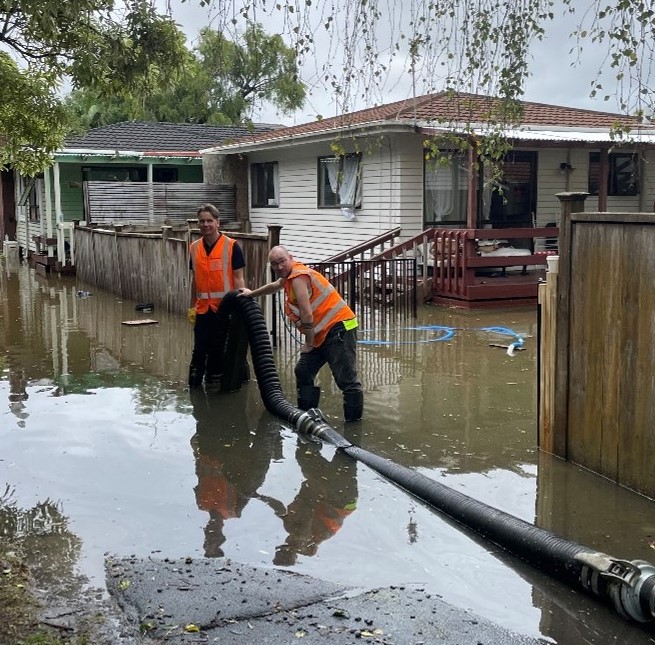
Hill was relating events that unfolded during catastrophic flooding over Auckland Anniversary weekend in January: In one incident Dutton crews spent hours vacuuming and pumping more than 1.5 million litres of water from an inner-city carpark where dozens of cars were trapped.

They were also called to many residential areas where houses and streets were under threat.

An example over anniversary weekend came following a desperate call for help from a family in Sunnynook, worried flood waters were about to swamp their home.

“We got there at 8.30 at night and set up a pump to divert the water,” Hill says. “The water was starting to come into the downstairs lounge and it took nearly two hours to save the house. I’m sure if we hadn’t got there as quickly as we did, it would have flooded.”

Having the right IT systems, enabled by strong connectivity, played a key part in their ability to respond at short notice, says Hill. It allowed near-instant communication with its maintenance crews, enabling them to be quickly sent to where they were needed.

“All our customer locations are on our computer system. From the office we are able to instantly upload a job to their phones so our crews know in real time where they need to be. We can also upload maps of the drainage systems at all locations and show who the contacts are.

“On the day of the floods, the crew’s whole work order changed, but we were able to instantly redirect them to the trouble spots so they could get there as quick as possible,” she says. “For that we need high-speed fibre, we wouldn’t be able to do it without that connectivity.

“The alternative is to rely on making a phone call (which might not be answered) or, like back in the day, send crews out with a manila folder full of these details. Under that system, in an event like the floods they would have had to come back to the office to get new orders, thus considerably delaying response time.”

Head of business and networks at Chorus, Dean Pointon, says Dutton Stormwater shows a business fibre connection can champion productivity in a small business environment. “It offers speed, consistency and reliability for an internet connection – all of which are crucial to the success of any business. The right fibre connection can enable new ways of doing things and ensure a business keeps up with its productivity needs.”

The company was founded by Ed Dutton in 2009. Initially operating from a single van, today the business has 10 vacuum trucks, 15 other vehicles and employs 37 staff. It has one truck servicing stormwater devices across the country and recently opened a branch in Christchurch.

“Now we operate 95 per cent paperless and all our systems and databases are stored on a remote server which we need access to constantly, without lag time. Any interruption to our connection is extremely disruptive and costly,” says Hill.

“While our field crew would be able to continue working using data, our office staff are severely affected as switching to slower mobile connections reduces our efficiency.”

In 2017 the company developed its own software system called Foxy to store customer details and service reports. It now includes a planning and scheduling management system and Foxy mobile which is used by the crew to complete their service and health and safety reports.

“For the service reports alone we are downloading, checking and sending approximately 1500 reports to customers every month,” Hill says. “Some customers require the reports to be uploaded to their own secure systems and portals, all of which require strong connectivity.

“Fast connection speeds means we are able to deliver our services efficiently, lower our overheads and offer the best available rates.”