
Most facilities managers know exactly what’s happening with their HVAC systems, lifts and fire protection equipment. But what about the stormwater network?
For many sites, the answer is simple: it only gets attention when there’s a problem.
A blocked catchpit. Ponding water in a car park. Localised flooding after heavy rain. A compliance issue. A complaint from a tenant.
The challenge is that by the time these issues become visible, they’ve often been developing underground for months or even years.
Stormwater infrastructure is one of the hardest-working systems on any property. It protects buildings, keeps people safe, supports day-to-day operations and helps prevent contaminants from reaching our waterways.
Yet it’s often overlooked when facilities managers are planning maintenance programmes and asset strategies.
The Network You Don’t See Still Matters
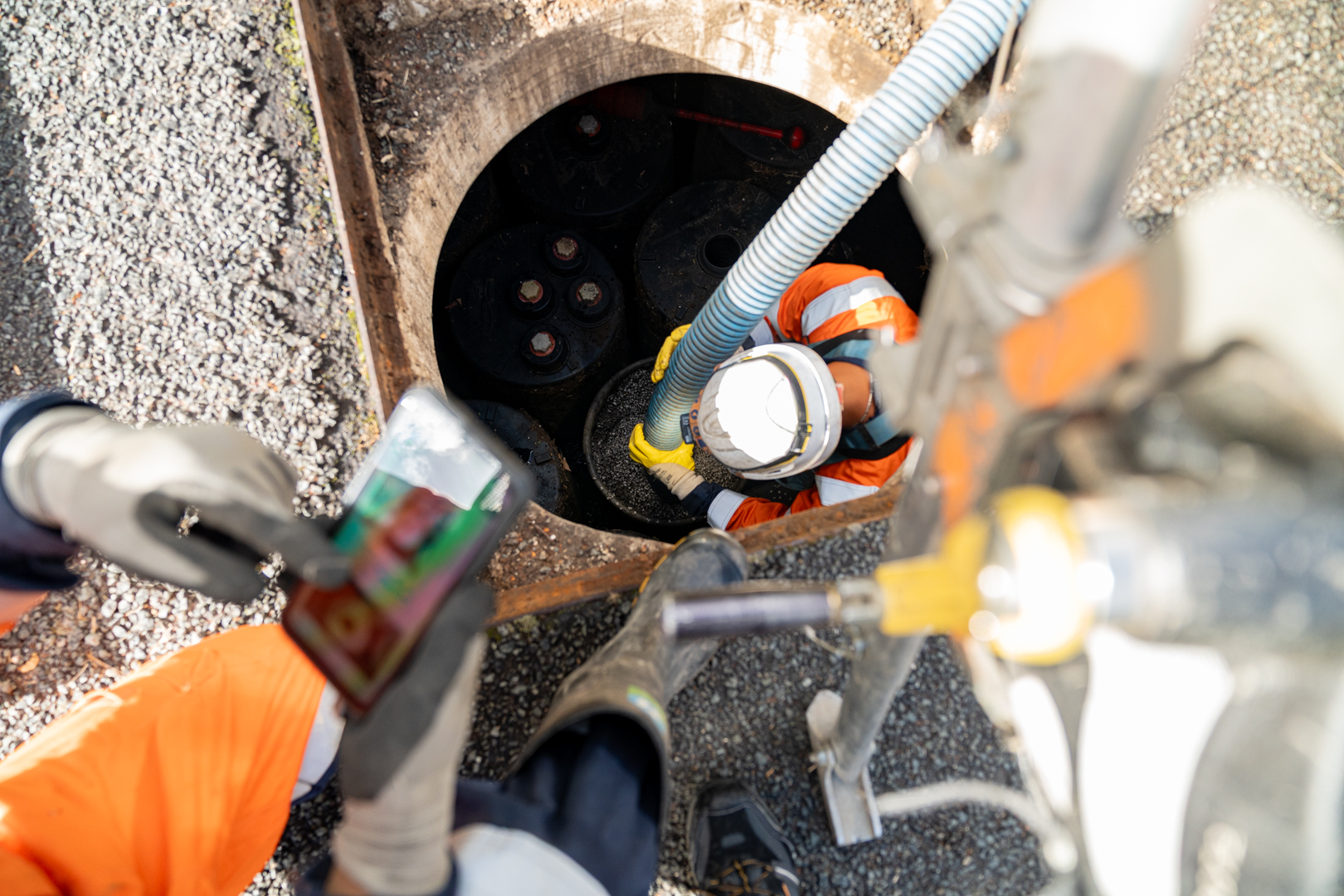
Unlike roofing, lighting or building services, stormwater infrastructure spends its entire life out of sight. When everything is working properly, nobody notices it. That’s exactly how it should be.
Every time it rains, your stormwater network is moving water away from buildings, roads, loading zones, car parks and pedestrian areas. It’s protecting assets, reducing risk and helping your site operate as intended.
But stormwater networks age. Pipes crack. Tree roots enter the system. Sediment builds up. Connections fail. Catchpits become blocked.
Without regular inspection and maintenance, small issues can become expensive problems.
The cost is often measured in more than repairs. Facilities managers may also be dealing with operational disruption, health and safety risks, property damage and environmental impacts.
A Maintenance Cost or a Critical Asset?
Stormwater systems are often grouped into routine maintenance budgets. The risk with this approach is that maintenance becomes reactive. A problem appears. A contractor is called. The issue is fixed. Then everyone moves on.
A more effective approach is to manage stormwater infrastructure in the same way you would any other critical asset.
That means understanding:
- The condition of the network
- Areas that present the highest risk
- Maintenance requirements
- Potential compliance concerns
- Upcoming renewal needs
Good decisions rely on good information.
Facilities managers don’t make replacement decisions on a lift or HVAC system without understanding its condition. Stormwater networks deserve the same level of attention.
Reliability Starts Underground
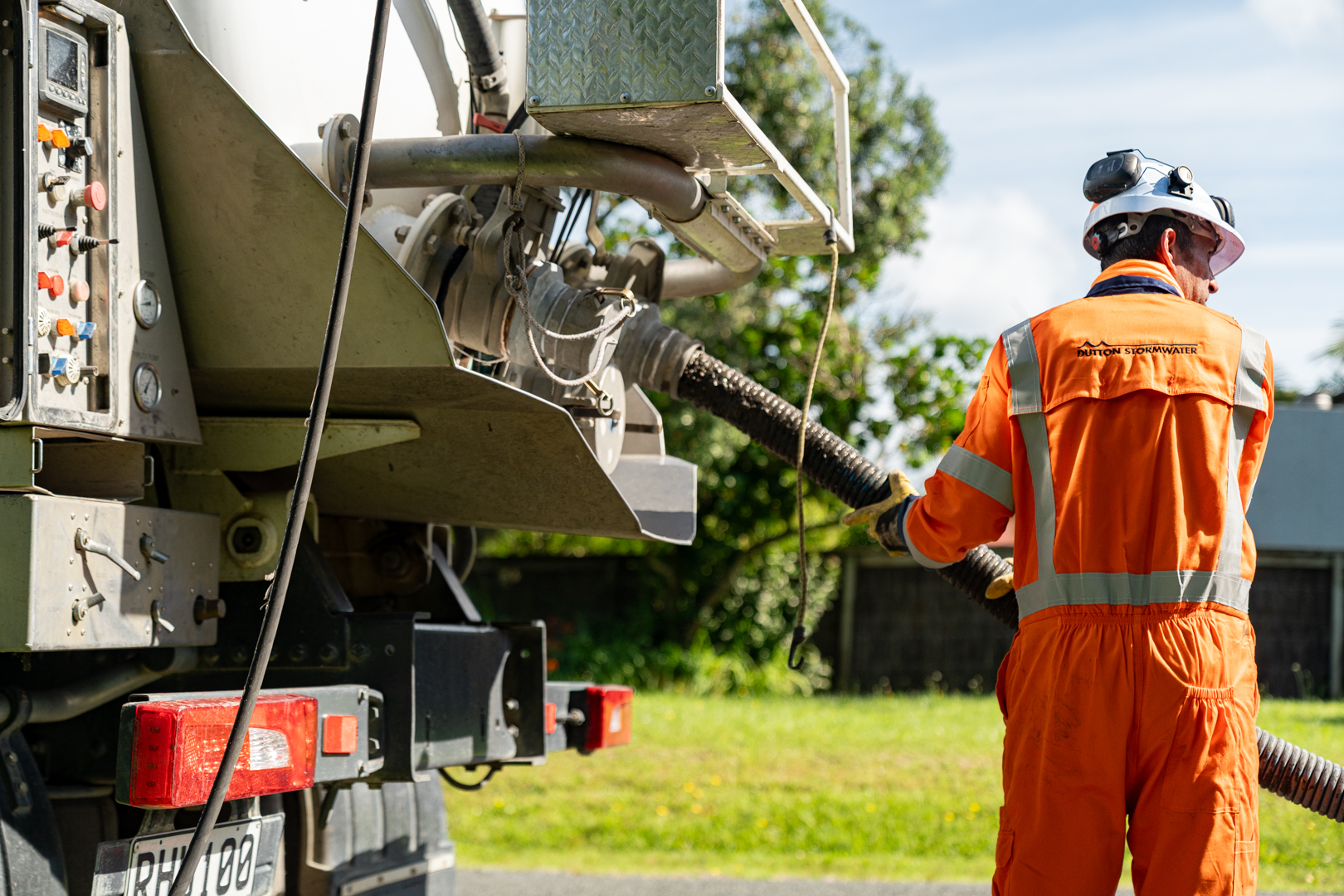
Facilities managers are responsible for creating places that are safe, reliable and fit for purpose and stormwater plays an important role in all three.
When drainage systems perform well, people can move safely around a site. Buildings remain protected from water ingress. Operations continue with minimal disruption.
When systems fail, the impacts can spread quickly. What starts as a blocked pipe can lead to flooding, damaged infrastructure, emergency maintenance costs and business interruption. Regular inspections and planned maintenance help identify issues before they become urgent. More importantly, they provide confidence that critical infrastructure will perform when it’s needed most.
Protecting More Than Property
Stormwater management isn’t only about protecting buildings and assets; it’s also about protecting the environment.
Facilities managers are increasingly under pressure to demonstrate responsible environmental management and meet compliance requirements. A poorly maintained stormwater network can allow sediment, litter and other contaminants to enter local waterways. That’s why proactive maintenance matters.
Every blocked catchpit cleared, every pipe inspected and every defect identified contributes to better environmental outcomes. Looking after stormwater infrastructure is one of the many ways facilities managers help protect the places and communities around them.
The Marks That Matter
We’re attending the FM Summit this month to meet with Facilities Managers from across NZ. The theme of FM Summit 2026 is The Marks That Matter. The summit highlights the visible and invisible ways facilities professionals care for buildings, people and places, recognising that long-term resilience comes from stewardship and ongoing care. [fmsummit.org], [fmanz.org]
Stormwater networks are a perfect example. Most people will never see the work that goes into maintaining them. They’ll never know when a blockage was cleared before it caused flooding. They’ll never see the inspection that identified a defect before it became a failure. They’ll never notice the maintenance programme that helped protect a nearby waterway.
But those actions matter.
They leave a mark through safer sites, more reliable operations and healthier waterways. And that’s often the best outcome of all. The work gets done, the problem never happens, and everyone can get on with their day.
Looking Beyond the Surface
Great facilities management is about more than managing what people can see. It’s about understanding the systems that quietly support buildings, operations and communities every day.
Stormwater infrastructure is one of those systems.
When facilities managers give stormwater a place in their asset planning and maintenance strategies, they’re not just reducing risk. They’re improving reliability, protecting property, supporting compliance and helping safeguard New Zealand’s waterways for the future.
That’s an investment worth making.
About Dutton Stormwater
Dutton Stormwater helps facilities managers, property owners and asset managers gain greater visibility of their stormwater infrastructure through inspection, maintenance and condition assessment programmes that support risk reduction, resilience and long-term asset performance. Contact us today to discuss your stormwater maintenance needs.