
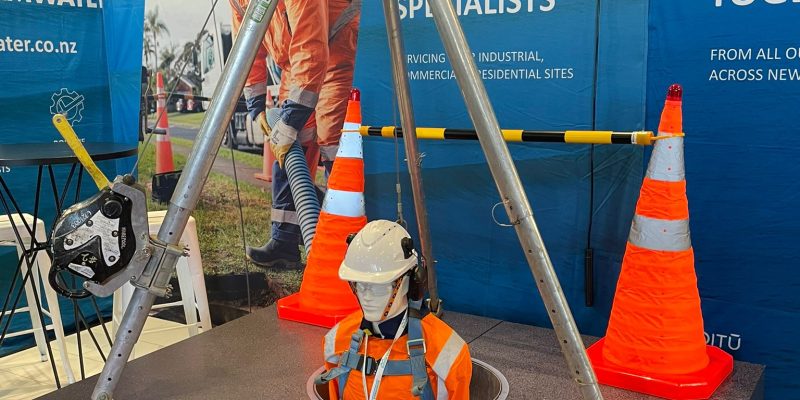
FM Summit Aotearoa 2026 brought facilities professionals from across New Zealand together to explore this year’s theme, The Marks That Matter; the visible and invisible ways facilities managers shape the places, people and communities they support. The programme covered the full spectrum of facilities management, from operational challenges to the future of the profession. [fmsummit.org]
While every organisation faces its own unique challenges, several common themes emerged throughout the conversations, presentations and discussions.
Here are five conversations we believe facilities managers should continue paying attention to long after the Summit concludes.
1.Compliance Is Becoming a Risk Management Conversation
For many organisations, compliance has traditionally been viewed as a requirement to be met. Today, the conversation is changing.
Increasingly, boards, executives and stakeholders want confidence that risks are being actively identified, understood and managed. Compliance remains important, but it’s becoming part of a much broader discussion about accountability, governance and organisational resilience. Facilities managers are often at the centre of that conversation.
Whether managing building systems, contractor performance, environmental obligations or infrastructure assets, facilities teams play a critical role in reducing operational risk and demonstrating that assets are being managed responsibly.
The question is no longer simply: “Are we compliant?”
It’s becoming: “Can we demonstrate that we understand our risks and are managing them effectively?”
The organisations that can answer that question with confidence are likely to be in a stronger position when challenges arise.
2. Better Decisions Start With Better Data
Technology continues to transform facilities management.
Digital asset registers, condition assessments, remote monitoring, inspection tools and reporting platforms are giving facilities teams access to more information than ever before. Yet one message came through repeatedly during Summit discussions: data alone does not create value.
The real opportunity comes from using information to make better decisions.
Facilities managers are increasingly being asked to make informed choices about maintenance priorities, budget allocation, asset renewal programmes and operational risk. Reliable information creates confidence in those decisions.
Importantly, this applies to all asset classes, including those that often receive less attention.
Stormwater networks, for example, can be difficult to manage when their condition and performance are not well understood. Asset intelligence helps turn unknowns into actionable insights.
The goal isn’t more reports. The goal is better decisions.
3. Resilience Starts Long Before an Emergency
Resilience was one of the strongest themes to emerge from FM Summit 2026.
From extreme weather events to ageing infrastructure and evolving stakeholder expectations, facilities managers are operating in an environment where disruption can arise from multiple directions.
The most resilient organisations are not simply focused on responding to emergencies when they occur.
They are investing time and resources into preparation.
That includes:
- Understanding critical assets
- Identifying vulnerabilities
- Maintaining infrastructure proactively
- Planning for future challenges
- Building organisational capability
Resilience is often viewed through the lens of emergency response.
However, the foundations of resilience are established long before an emergency takes place.
Every inspection completed, maintenance programme delivered and asset condition assessment undertaken contributes to an organisation’s ability to respond when unexpected events occur.
4. Stewardship Is Becoming a Defining Leadership Quality
The FM Summit theme, The Marks That Matter, highlighted a powerful idea. Facilities managers are more than operators. They are stewards.
The decisions made today influence the performance, safety and sustainability of buildings and infrastructure for years to come.
Stewardship requires long-term thinking.
It means looking beyond immediate maintenance tasks and considering the broader impact of decisions on:
- Asset performance
- Building occupants
- Communities
- The environment
- Future generations
Some of the most important contributions facilities managers make are never seen by building users.
A prevented failure. A reduced risk. A protected waterway. A well-maintained asset that continues performing as intended.
These are the marks that matter.
They are often invisible, but their impact is significant.
5. Future Planning Is No Longer Optional
The pace of change facing facilities management continues to increase.
Buildings are becoming more complex. Technology continues to evolve. Environmental expectations are rising. Infrastructure is ageing. Stakeholders are demanding greater accountability. Against this backdrop, future planning is becoming one of the most important responsibilities of facilities managers.
The conversations we heard at Summit reflected a growing focus on questions such as:
- What assets require investment?
- Where are the highest risks?
- Are current maintenance approaches sustainable?
- What capabilities will facilities teams need in the future?
- How can organisations balance immediate priorities with long-term goals?
Future planning is not about predicting every challenge ahead. It’s about putting organisations in a stronger position to respond to whatever comes next.
The facilities managers who are planning now are building resilience for the future.
The Common Thread
Although these conversations covered different areas of facilities management, they were connected by a common theme.
Care.
Whether discussing compliance, technology, resilience, stewardship or future planning, the underlying goal remains the same: creating safe, reliable and sustainable places for people to live, work and thrive.
That connection reflects the spirit of FM Summit 2026 and the theme of The Marks That Matter, which celebrates the visible and invisible ways facilities professionals shape New Zealand’s built environment.
At Dutton Stormwater, we see the same principle every day.
The infrastructure that protects buildings, supports operations and helps safeguard waterways is often hidden from view. Yet the role it plays is critical.
When facilities managers invest in understanding, maintaining and improving these assets, they’re doing more than managing infrastructure.
They’re leaving a mark that matters.
Contact us today to discuss your stormwater maintenance needs.