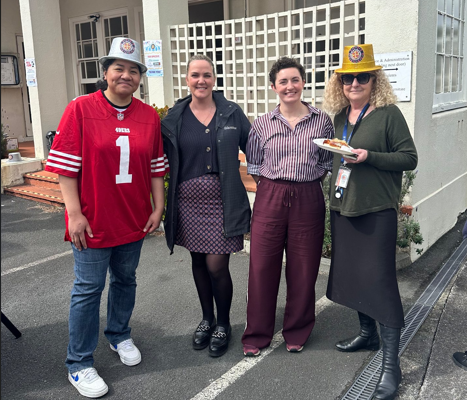
Tracy Hill at De Paul House 40 year celebration

Supporting Local Families: Why Our Partnership with De Paul House Matters

Every community needs organisations that step in when people need support most

For 40 years, De Paul House has been doing exactly that on Auckland’s North Shore. As the region’s only facility of its kind, De Paul House provides transitional housing and wraparound support for families and older adults experiencing housing hardship.

Their work extends far beyond providing a roof over someone’s head. Through social work services, community learning programmes, early childhood education, and practical support such as food, furniture and clothing banks, they help people create a pathway toward long-term stability and independence.

The need is significant. While De Paul House can provide housing for only a small proportion of those seeking assistance, their team works tirelessly with families to find suitable long-term accommodation and access the support they need to move forward.

At Dutton Stormwater, we believe being a reliable partner means contributing to the communities where we live and work. That’s why we’ve been supporting De Paul House through regular food donations, helping ensure their food bank remains stocked with everyday essentials for local families.

Celebrating 40 Years of Community Impact

On Wednesday 30 September, members of the Dutton Stormwater team joined De Paul House staff, supporters and community leaders to celebrate the organisation’s 40th anniversary.

It was an opportunity to meet the people behind the service, hear stories of impact, and see first-hand the difference community support makes.

During the celebration, Zach Kimpton, Practice Manager at De Paul House, shared his appreciation for the organisations that stand alongside them. “We’re so thankful for your ongoing support. You make a real difference here.”

Jan Rutledge, General Manager of De Paul House, reinforced the importance of partnerships with local businesses. “It’s only because of companies like Dutton Stormwater that we can fund services like this and put on events like today.”

For our team, the visit was a reminder that meaningful community impact often starts with practical action. Whether it’s supporting environmental outcomes through our work or helping stock a local food bank, small contributions add up when people work together.

Supporting Stronger Communities

As a business, we’re focused on protecting the environments and communities we serve.

Supporting organisations such as De Paul House reflects the same values that drive our work every day: ownership, partnership and making a positive contribution where it matters most.

Congratulations to the entire De Paul House team on reaching this significant milestone and thank you for the work you do for our community.

How You Can Help

De Paul House accepts donations of quality household items that help families establish stable homes.

If you’re having a spring clean, consider donating items such as:

  • Pots and pans
  • Dining tables and chairs
  • Sofas
  • Bookshelves
  • Household essentials

If your items are in good condition, De Paul House can arrange collection. Visit De Paul House for more information.

Together, practical support can make a lasting difference.

Monica and Matt firing up with BBQ

Working together to protect our waterways: reflecting on Operation Clean Up Week

Every piece of litter picked up before it reaches a drain is one less piece of pollution entering our waterways.

That’s one of the reasons Dutton Stormwater was proud to support Plastics New Zealand‘s Operation Clean Up Week in November.

While the weather had other ideas for many of the planned events, the week was a great reminder of something we see every day in the stormwater industry: rainfall has a way of highlighting just how quickly litter can move through our environment.

Whether events went ahead as planned, were rescheduled or adapted to suit conditions, volunteers across New Zealand still came together with a shared goal of preventing rubbish from reaching our waterways.

As stormwater specialists, we see first-hand where litter ends up when it isn’t collected. A plastic bottle dropped on a roadside, packaging left in a loading area, or plastic pellets spilled on an industrial site can all be washed into the drainage network during the next rain event.

From there, that material can travel through streams and estuaries before eventually reaching the ocean.

Preventing pollution before it reaches the drain

Every day, our technicians service stormwater treatment devices that capture sediment, litter and contaminants before they reach New Zealand’s waterways.

Those devices play an important role, but the most effective solution is preventing pollution from entering the stormwater network in the first place.

That’s exactly what Operation Clean Up Week was all about.

By bringing together local businesses, industry groups and community volunteers, the programme focused on removing litter before it became an environmental problem.

Why we were involved

Operation Clean Up Week is run by Plastics New Zealand as part of the wider Operation Clean Sweep programme, which focuses on preventing plastics from entering the environment.

The initiative continues to bring together volunteers from across the country to take practical action in their local communities.

For us, supporting the programme was a natural fit. Protecting waterways isn’t the responsibility of one organisation alone. Lasting environmental outcomes come from industry, communities and environmental organisations working together toward the same goal.

Supporting the volunteers

The people who took part in the clean-up events gave their time to make their communities cleaner and healthier.

Our contribution was simple. We provided barbecues at several events to help keep volunteers fuelled throughout the day.

It was a small way of supporting the people doing the hard work on the ground, and an opportunity to meet others who share the same commitment to protecting New Zealand’s waterways.

Small actions, lasting impact

Operation Clean Up Week showed how collective action can make a real difference.

Every bag of rubbish removed from streets, parks, industrial areas and public spaces is pollution prevented from reaching our drains, streams, harbours and coastlines.

For Dutton Stormwater, the week reinforced an important message: protecting waterways starts long before stormwater reaches a treatment device. It starts with individuals, businesses and communities taking ownership of the environments they work and live in every day.

Click here for more information on Operation Clean Sweep and learn about the opportunities to get involved.

Dutton Stormwater Tunnel Crew

The stormwater assets nobody sees will decide 2050

Dutton Stormwater services three stormwater tunnels beneath central Auckland, cut through volcanic rock and running up to 170 metres long.

Maintaining these critical assets requires specialist planning, experience and strict safety procedures. Descending seven metres underground, the tunnels feel more like caves than conventional infrastructure. Their biannual inspections can only take place during carefully selected weather windows and require full ventilation systems, confined-space procedures and specialist crews.

These assets quietly protect surrounding communities, businesses and waterways during major rainfall events. Most people will never see them.

Yet by 2050, hidden assets like these may become some of the most important infrastructure in New Zealand.

Not because stormwater systems are changing fundamentally, but because the conditions around them are. Climate pressures, insurance scrutiny, compliance expectations and resilience planning are all reshaping what good asset management looks like.

The facilities managers who succeed in 2050 are unlikely to be the ones with the newest technology. They will be the ones who understand their assets, maintain them consistently and make good decisions before problems emerge.

The rain has stopped following the brief

The trend is already underway.

IAG reports that damaging storms have gone from arriving about every 19 days to about every eight. Drainage systems designed around historical rainfall patterns are being tested more frequently and in ways they were not always designed to accommodate.

Many facilities managers are responsible for stormwater assets installed decades ago, often with limited historical information available. The infrastructure remains the same, but the operating environment is changing around it. As weather events become more frequent and intense, the margin for error becomes smaller.

Looking toward 2050, resilience will increasingly depend on understanding asset condition before a storm arrives, not discovering problems during one. The organisations best prepared for future weather challenges will be those with visibility over the assets they already own.

Your insurer may become your next asset reviewer

As climate risk becomes a bigger business concern, infrastructure performance is becoming more visible outside operational teams.

Insurers are moving from sector-wide assessments toward site-level evaluations, meaning two similar organisations can receive very different terms based on their own exposure and asset management practices.

Increasingly, organisations are being asked to demonstrate how they identify, manage and reduce stormwater risk. The evidence often sits in routine maintenance records. Inspection dates. Clearance records. Before-and-after photographs. Condition assessments. Work orders. Sign-offs.

Today these records support maintenance decisions. By 2050, they may become equally important in demonstrating organisational resilience and responsible asset stewardship. For facilities managers, good record-keeping is no longer simply administration. It is part of risk management.

Prevention will become a competitive advantage

Since 2010, 97% of government natural hazard spending has gone toward response and recovery, while only 3% has been directed toward reducing risk.

The lesson for asset owners is straightforward: prevention is usually more cost-effective than recovery.

Facilities managers experience this reality every day.

A blocked outlet discovered during a routine inspection may take hours to address. The same issue identified during a flood event can disrupt operations, damage property and create significant recovery costs.

By 2050, organisations are likely to place increasing value on resilience, business continuity and long-term asset performance. Stormwater systems will not be judged solely on whether they function, but on how reliably they continue operating under pressure.

Success will still be measured by what does not happen: flooding, pollution, asset failures and disruption.

Green infrastructure is infrastructure

One of the biggest shifts between now and 2050 may be how organisations think about green infrastructure.

Raingardens, swales and treatment landscapes are often managed as landscaping assets when they are actually working components of the stormwater network.

They slow flows, improve water quality and support environmental outcomes before runoff reaches traditional drainage systems.

The challenge is that they can easily disappear from asset registers and maintenance programmes.

Add increasingly variable cycles of drought and downpour, and these assets face growing pressure. Blocked inlets, clogged growing media, compacted soil and declining plant health can gradually reduce performance without attracting attention.

The facilities managers who get the most value from green infrastructure by 2050 will not be those who simply install it. They will be the ones who manage it. Register it. Inspect it. Maintain it. Budget for it. Treat it with the same discipline as the pipe beside it.

Technology will improve visibility, not replace ownership

By 2050, facilities managers are likely to have access to far greater levels of asset intelligence than they do today.

Sensors can provide real-time monitoring. Drones can improve inspection access. Digital asset registers can consolidate maintenance histories. Predictive tools may help identify issues before they become failures.

These developments will be valuable. But technology does not replace the fundamentals of good asset management. A sensor can tell you an asset is performing poorly. It cannot clear the blockage. A dashboard can identify a risk. It cannot assume ownership of it.

The future of stormwater management will involve better information, but success will still depend on people making informed decisions and acting on them.

Three decisions that shape stormwater resilience by 2050

  1. Know what you own

Pipes, tunnels, ponds, treatment devices, raingardens and outlets.

If it stores, moves, treats or controls stormwater, it should be included in your asset register with an understanding of its condition, criticality and maintenance requirements.

  1. Protect your maintenance opportunities

Confined-space and low-lying assets can only be accessed during suitable weather conditions.

As storm events become more frequent, those maintenance windows may become harder to secure. Planning inspections early and prioritising critical assets will become increasingly important.

  1. Build records that stand the test of time

Good records support compliance, future maintenance planning, organisational knowledge and risk management.

They also create continuity as teams, contractors and responsibilities change over time.

The more complete your records are today, the better prepared your organisation will be tomorrow.

Boring is the goal

The best-performing stormwater asset in your portfolio in 2050 will probably be the one nobody talks about. Not because it is unimportant. Because it works. It has been inspected. Maintained. Documented. Understood.

The technology supporting stormwater management will continue to evolve. Climate pressures will continue to grow. Stakeholder expectations will continue to change. But the fundamentals are unlikely to be different.

Protecting people, property and waterways will still depend on the work that happens long before the storm arrives.

And that starts with looking after the assets most people never see.

Get in touch today to discuss how we can help maintain your stormwater assets: info@duttonstormwater.co.nz

0800 115 557

Calder Stewart earns the Responsible Stormwater badge


Most stormwater treatment devices operate out of sight. Whether it’s a catchpit filter, cartridge filter or treatment system, their role is the same: to help prevent contaminants from entering our waterways.

Without regular maintenance, these devices gradually lose their effectiveness. Sediment, metals and hydrocarbons can bypass treatment systems and make their way into nearby streams, rivers, harbours and beaches. The impacts are often difficult to see immediately, but they can have lasting environmental consequences.

That’s why we’re proud to award Calder Stewart our tenth Responsible Stormwater badge.

Why the badge exists

We created the Responsible Stormwater badge to recognise businesses that demonstrate a genuine commitment to maintaining their stormwater assets and protecting New Zealand’s waterways.

We also want to raise awareness of an often-overlooked issue. Stormwater systems only work as intended when they are maintained. Regular servicing is an important part of protecting the environment and meeting compliance obligations.

To qualify, a customer must have regularly maintained their stormwater systems with Dutton Stormwater for at least two years, or have committed to a long-term scheduled maintenance programme across all devices.

Many sites maintain their devices because they are required to do so under a resource consent. That’s important. The customers we recognise take an additional step by treating stormwater maintenance as an ongoing responsibility, not simply a compliance requirement.

The badge gives recipients a way to demonstrate that commitment to their customers, stakeholders and communities. It reflects a proactive approach to protecting waterways and managing stormwater assets responsibly.

You can’t apply for it

There is no application process. Dutton Stormwater awards the badge when a customer has demonstrated a sustained commitment to stormwater maintenance and environmental protection. That approach helps ensure the badge remains meaningful and reflects genuine action over time.

Meet Calder Stewart

Calder Stewart is one of New Zealand’s leading property and construction groups, specialising in industrial and commercial developments. The business began in Milton, Otago, in 1955, when Lance Calder and Bruce Stewart established what would become a family-owned organisation operating across land development, design-build, manufacturing and construction, across the breadth of NZ.

Calder Stewart has been a Dutton Stormwater customer for several years and during that time, we have serviced their sites nationwide.

Why Calder Stewart, and why now

Calder Stewart’s commitment to responsible stormwater management has been demonstrated through:

  • Years of regular maintenance, significantly exceeding our two-year qualification requirement.
  • An ongoing commitment to scheduled maintenance across its stormwater assets.
  • Maintaining devices beyond minimum compliance requirements.
  • A proactive approach to recommendations and asset management that helps keep systems performing effectively.

“The best stormwater systems in the world can’t protect our waterways if they’re not maintained. What stands out about Calder Stewart is the consistency of its commitment. For years, they have taken a proactive approach to maintaining their stormwater assets and ensuring their systems continue to perform as designed. This recognition reflects a genuine commitment to environmental responsibility and long-term stewardship.” Says Grant Buckingham, Business Development Manager, Dutton Stormwater.

Compliance is the floor

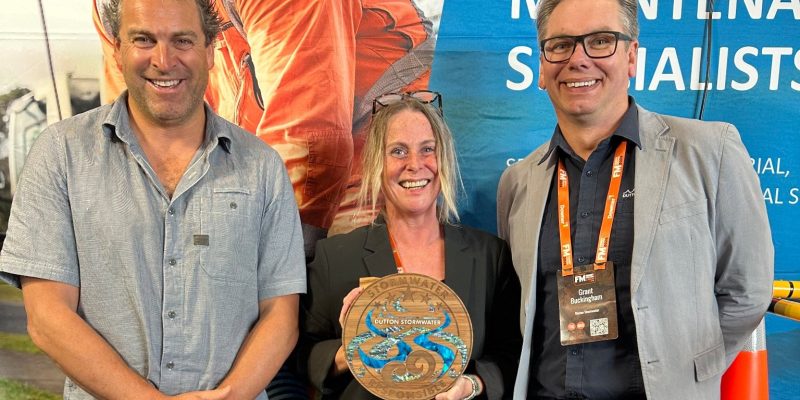
The badge was presented on 21 October 2026, by Grant Buckingham, Business Development Manager from Dutton Stormwater to Chris Roche, National Facilities Manager and Phoebe Pope, Facilities Manager. Calder Stewart can now display the Responsible Stormwater badge across its communications, including its website, tenders and marketing materials.

A resource consent establishes the minimum standard expected of a site. Protecting our waterways requires organisations that view that standard as the starting point, not the finish line.

Calder Stewart has consistently demonstrated that approach through its commitment to maintaining the performance of its stormwater assets and taking ownership of its environmental responsibilities.

By recognising organisations that lead in this area, we hope to encourage greater awareness of the role stormwater maintenance plays in protecting the streams, rivers and harbours that connect our communities.

Congratulations to the Calder Stewart team.

Five Conversations Every Facilities Manager Should Be Paying Attention To

FM Summit Aotearoa 2026 brought facilities professionals from across New Zealand together to explore this year’s theme, The Marks That Matter; the visible and invisible ways facilities managers shape the places, people and communities they support. The programme covered the full spectrum of facilities management, from operational challenges to the future of the profession. [fmsummit.org]

While every organisation faces its own unique challenges, several common themes emerged throughout the conversations, presentations and discussions.

Here are five conversations we believe facilities managers should continue paying attention to long after the Summit concludes.

1.Compliance Is Becoming a Risk Management Conversation

For many organisations, compliance has traditionally been viewed as a requirement to be met. Today, the conversation is changing.

Increasingly, boards, executives and stakeholders want confidence that risks are being actively identified, understood and managed. Compliance remains important, but it’s becoming part of a much broader discussion about accountability, governance and organisational resilience. Facilities managers are often at the centre of that conversation.

Whether managing building systems, contractor performance, environmental obligations or infrastructure assets, facilities teams play a critical role in reducing operational risk and demonstrating that assets are being managed responsibly.

The question is no longer simply: “Are we compliant?”

It’s becoming: “Can we demonstrate that we understand our risks and are managing them effectively?”

The organisations that can answer that question with confidence are likely to be in a stronger position when challenges arise.

2. Better Decisions Start With Better Data

Technology continues to transform facilities management.

Digital asset registers, condition assessments, remote monitoring, inspection tools and reporting platforms are giving facilities teams access to more information than ever before. Yet one message came through repeatedly during Summit discussions: data alone does not create value.

The real opportunity comes from using information to make better decisions.

Facilities managers are increasingly being asked to make informed choices about maintenance priorities, budget allocation, asset renewal programmes and operational risk. Reliable information creates confidence in those decisions.

Importantly, this applies to all asset classes, including those that often receive less attention.

Stormwater networks, for example, can be difficult to manage when their condition and performance are not well understood. Asset intelligence helps turn unknowns into actionable insights.

The goal isn’t more reports. The goal is better decisions.

3. Resilience Starts Long Before an Emergency

Resilience was one of the strongest themes to emerge from FM Summit 2026.

From extreme weather events to ageing infrastructure and evolving stakeholder expectations, facilities managers are operating in an environment where disruption can arise from multiple directions.

The most resilient organisations are not simply focused on responding to emergencies when they occur.

They are investing time and resources into preparation.

That includes:

  • Understanding critical assets
  • Identifying vulnerabilities
  • Maintaining infrastructure proactively
  • Planning for future challenges
  • Building organisational capability

Resilience is often viewed through the lens of emergency response.

However, the foundations of resilience are established long before an emergency takes place.

Every inspection completed, maintenance programme delivered and asset condition assessment undertaken contributes to an organisation’s ability to respond when unexpected events occur.

4. Stewardship Is Becoming a Defining Leadership Quality

The FM Summit theme, The Marks That Matter, highlighted a powerful idea. Facilities managers are more than operators. They are stewards.

The decisions made today influence the performance, safety and sustainability of buildings and infrastructure for years to come.

Stewardship requires long-term thinking.

It means looking beyond immediate maintenance tasks and considering the broader impact of decisions on:

  • Asset performance
  • Building occupants
  • Communities
  • The environment
  • Future generations

Some of the most important contributions facilities managers make are never seen by building users.

A prevented failure. A reduced risk. A protected waterway. A well-maintained asset that continues performing as intended.

These are the marks that matter.

They are often invisible, but their impact is significant.

5. Future Planning Is No Longer Optional

The pace of change facing facilities management continues to increase.

Buildings are becoming more complex. Technology continues to evolve. Environmental expectations are rising. Infrastructure is ageing. Stakeholders are demanding greater accountability. Against this backdrop, future planning is becoming one of the most important responsibilities of facilities managers.

The conversations we heard at Summit reflected a growing focus on questions such as:

  • What assets require investment?
  • Where are the highest risks?
  • Are current maintenance approaches sustainable?
  • What capabilities will facilities teams need in the future?
  • How can organisations balance immediate priorities with long-term goals?

Future planning is not about predicting every challenge ahead. It’s about putting organisations in a stronger position to respond to whatever comes next.

The facilities managers who are planning now are building resilience for the future.

The Common Thread

Although these conversations covered different areas of facilities management, they were connected by a common theme.

Care.

Whether discussing compliance, technology, resilience, stewardship or future planning, the underlying goal remains the same: creating safe, reliable and sustainable places for people to live, work and thrive.

That connection reflects the spirit of FM Summit 2026 and the theme of The Marks That Matter, which celebrates the visible and invisible ways facilities professionals shape New Zealand’s built environment.

At Dutton Stormwater, we see the same principle every day.

The infrastructure that protects buildings, supports operations and helps safeguard waterways is often hidden from view. Yet the role it plays is critical.

When facilities managers invest in understanding, maintaining and improving these assets, they’re doing more than managing infrastructure.

They’re leaving a mark that matters.

Contact us today to discuss your stormwater maintenance needs.

The Hidden Asset Beneath Your Feet: Why Stormwater Networks Deserve a Seat at the Asset Management Table

Most facilities managers know exactly what’s happening with their HVAC systems, lifts and fire protection equipment. But what about the stormwater network?

For many sites, the answer is simple: it only gets attention when there’s a problem.

A blocked catchpit. Ponding water in a car park. Localised flooding after heavy rain. A compliance issue. A complaint from a tenant.

The challenge is that by the time these issues become visible, they’ve often been developing underground for months or even years.

Stormwater infrastructure is one of the hardest-working systems on any property. It protects buildings, keeps people safe, supports day-to-day operations and helps prevent contaminants from reaching our waterways.

Yet it’s often overlooked when facilities managers are planning maintenance programmes and asset strategies.

The Network You Don’t See Still Matters

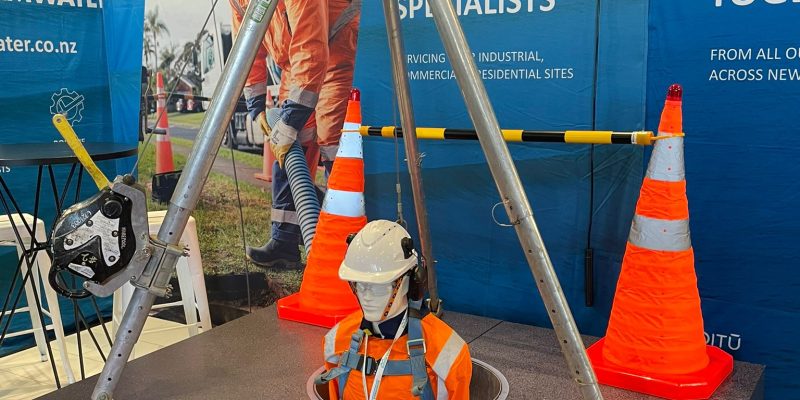
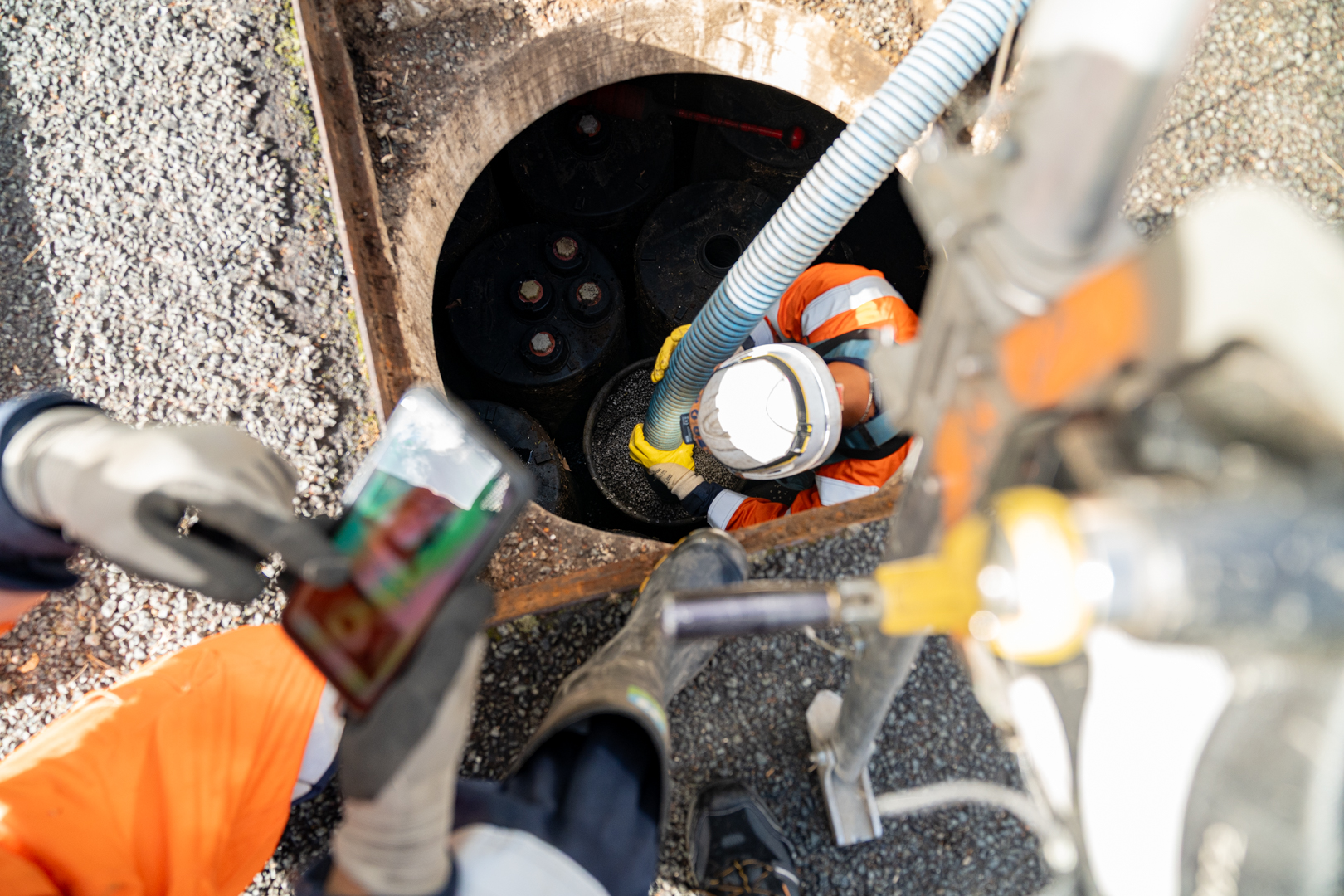
Confined space entry

Unlike roofing, lighting or building services, stormwater infrastructure spends its entire life out of sight. When everything is working properly, nobody notices it. That’s exactly how it should be.

Every time it rains, your stormwater network is moving water away from buildings, roads, loading zones, car parks and pedestrian areas. It’s protecting assets, reducing risk and helping your site operate as intended.

But stormwater networks age. Pipes crack. Tree roots enter the system. Sediment builds up. Connections fail. Catchpits become blocked.

Without regular inspection and maintenance, small issues can become expensive problems.

The cost is often measured in more than repairs. Facilities managers may also be dealing with operational disruption, health and safety risks, property damage and environmental impacts.

A Maintenance Cost or a Critical Asset?

Stormwater systems are often grouped into routine maintenance budgets. The risk with this approach is that maintenance becomes reactive. A problem appears. A contractor is called. The issue is fixed. Then everyone moves on.

A more effective approach is to manage stormwater infrastructure in the same way you would any other critical asset.

That means understanding:

  • The condition of the network
  • Areas that present the highest risk
  • Maintenance requirements
  • Potential compliance concerns
  • Upcoming renewal needs

Good decisions rely on good information.

Facilities managers don’t make replacement decisions on a lift or HVAC system without understanding its condition. Stormwater networks deserve the same level of attention.

Reliability Starts Underground

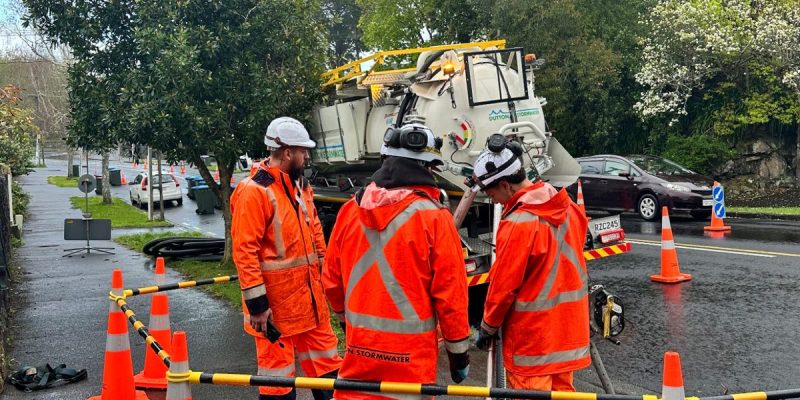
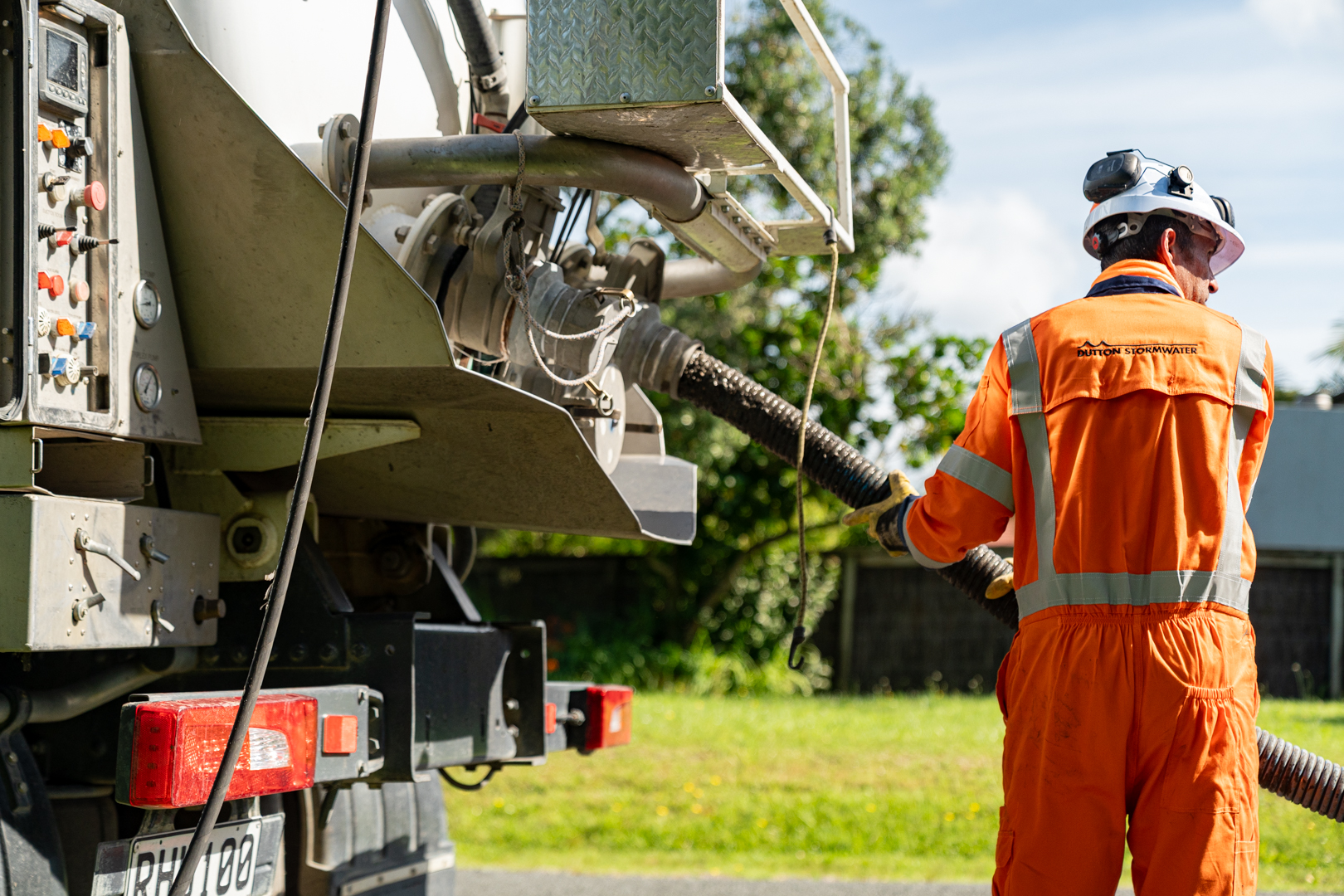
Dutton Stormwater vacuum truck

Facilities managers are responsible for creating places that are safe, reliable and fit for purpose and stormwater plays an important role in all three.

When drainage systems perform well, people can move safely around a site. Buildings remain protected from water ingress. Operations continue with minimal disruption.

When systems fail, the impacts can spread quickly. What starts as a blocked pipe can lead to flooding, damaged infrastructure, emergency maintenance costs and business interruption. Regular inspections and planned maintenance help identify issues before they become urgent. More importantly, they provide confidence that critical infrastructure will perform when it’s needed most.

Protecting More Than Property

Stormwater management isn’t only about protecting buildings and assets; it’s also about protecting the environment.

Facilities managers are increasingly under pressure to demonstrate responsible environmental management and meet compliance requirements. A poorly maintained stormwater network can allow sediment, litter and other contaminants to enter local waterways. That’s why proactive maintenance matters.

Every blocked catchpit cleared, every pipe inspected and every defect identified contributes to better environmental outcomes. Looking after stormwater infrastructure is one of the many ways facilities managers help protect the places and communities around them.

The Marks That Matter

We’re attending the FM Summit this month to meet with Facilities Managers from across NZ. The theme of FM Summit 2026 is The Marks That Matter. The summit highlights the visible and invisible ways facilities professionals care for buildings, people and places, recognising that long-term resilience comes from stewardship and ongoing care. [fmsummit.org], [fmanz.org]

Stormwater networks are a perfect example. Most people will never see the work that goes into maintaining them. They’ll never know when a blockage was cleared before it caused flooding. They’ll never see the inspection that identified a defect before it became a failure. They’ll never notice the maintenance programme that helped protect a nearby waterway.

But those actions matter.

They leave a mark through safer sites, more reliable operations and healthier waterways. And that’s often the best outcome of all. The work gets done, the problem never happens, and everyone can get on with their day.

Looking Beyond the Surface

Great facilities management is about more than managing what people can see. It’s about understanding the systems that quietly support buildings, operations and communities every day.

Stormwater infrastructure is one of those systems.

When facilities managers give stormwater a place in their asset planning and maintenance strategies, they’re not just reducing risk. They’re improving reliability, protecting property, supporting compliance and helping safeguard New Zealand’s waterways for the future.

That’s an investment worth making.

About Dutton Stormwater

Dutton Stormwater helps facilities managers, property owners and asset managers gain greater visibility of their stormwater infrastructure through inspection, maintenance and condition assessment programmes that support risk reduction, resilience and long-term asset performance. Contact us today to discuss your stormwater maintenance needs.